How to Create a Relaxing Evening Routine During Busy Seasons
Table of Contents
- Why Evening Routines Matter During Busy Seasons
- What Makes It Difficult to Relax at Night?
- How to Create a Relaxing Evening Routine
- Give Yourself Time to Transition Away From Work
- Reduce Screen Time Before Bed
- Create a Comfortable Bedroom Environment
- Choose Activities That Help You Unwind
- Make Time for Personal Care
- Try Relaxing Music and Guided Audio
- Avoid Carrying Tomorrow's Stress Into Tonight
- Establish a Consistent Sleep Schedule
- Spotlight: Mindsight Driftband
- Create a Simple 30-Minute Evening Routine
- Frequently Asked Questions
- Final Thoughts
Why Evening Routines Matter During Busy Seasons
The holiday season can be exciting, but it can also make everyday life feel unusually demanding.
Between work responsibilities, shopping, family gatherings, travel plans, household tasks, and social commitments, your schedule may become fuller than usual.
Even when the day is finally over, your mind may still be thinking about everything that needs to get done.
You might replay conversations, worry about unfinished tasks, check messages, or mentally prepare for tomorrow.
This can make it difficult to transition from a busy day into a restful evening.
A relaxing evening routine gives you an opportunity to slow down and create a more predictable ending to your day.
Rather than moving directly from work, errands, or digital distractions into bed, you create a few intentional moments that help you unwind.
The goal is not to build an elaborate nighttime ritual.
It is to develop simple habits that make relaxation a regular part of your daily schedule.
What Makes It Difficult to Relax at Night?
Sometimes the hardest part of relaxing is not finding the time. It is allowing yourself to stop thinking about everything else.
Several factors can make evenings feel less restful.
An Overloaded Schedule
When your day is packed with responsibilities, personal time may become an afterthought.
You might finish one task only to remember three more things that need attention.
Constant Phone Notifications
Messages, social media, emails, and news alerts can keep your attention connected to the day's activities.
Even a quick check can lead to another distraction.
Unfinished Responsibilities
Thinking about tomorrow's deadlines, errands, or family commitments can make it difficult to mentally switch off.
Too Much Stimulation
Bright screens, loud entertainment, stressful conversations, and demanding activities can keep your mind engaged when you are trying to relax.
Inconsistent Sleep Habits
Going to bed at different times, consuming caffeine late in the day, or spending too much time on stimulating activities at night can make a consistent sleep routine harder to maintain.
Recognizing these challenges helps you decide which parts of your evening need attention.
How to Create a Relaxing Evening Routine
A relaxing evening routine should feel manageable, not like another responsibility.
You do not need expensive products, complicated schedules, or an hour of meditation every night.
Start by choosing a few activities that help you move away from the demands of the day.
A simple routine might include:
- Finishing work at a consistent time.
- Putting away unnecessary digital devices.
- Taking a warm shower.
- Preparing clothes or essentials for tomorrow.
- Reading a physical book.
- Listening to relaxing music.
- Practicing gentle stretching.
- Keeping your bedroom comfortable and quiet.
The most important factor is consistency.
Repeating a familiar sequence of calming activities can help establish a clear transition between daytime responsibilities and nighttime rest.
Give Yourself Time to Transition Away From Work
One common mistake is moving directly from a demanding activity into bedtime.
You may finish answering emails, close your laptop, and immediately expect your mind to relax.
But mentally disconnecting can take time.
Create a small transition between work and personal time.
- Finish your immediate responsibilities. Avoid starting new projects or unnecessary tasks late in the evening.
- Review tomorrow's priorities. Write down anything important you need to remember.
- Close your workspace. Put away your laptop, work materials, and other items associated with your responsibilities.
- Change your activity. Take a shower, prepare dinner, stretch, or go for a short walk.
This gives you a clearer separation between the demands of the day and the time you have reserved for yourself.
Reduce Screen Time Before Bed
Phones, tablets, computers, and televisions can make it easy to remain mentally engaged long after the workday ends.
You may intend to check one message but end up scrolling through social media, watching videos, or reading unrelated news.
This can make your evening feel just as busy as the rest of your day.
Try establishing a period when recreational screen use winds down.
Start with 30 minutes before bedtime and adjust the routine as needed.
During this period, consider:
- Putting your phone away.
- Turning off unnecessary notifications.
- Avoiding work emails.
- Replacing social media with a physical book.
- Listening to relaxing audio.
- Keeping televisions and bright screens out of your bedtime routine.
The National Institutes of Health recommends limiting electronic screens before bed and making relaxing activities part of a consistent sleep routine.
You do not have to stop using technology completely.
The goal is to create a clearer boundary between digital activity and rest.
Create a Comfortable Bedroom Environment
Your bedroom should feel like a place where you can relax rather than another extension of your busy day.
Small environmental changes can make a difference.
Keep the Room Dark
Bright light can make it harder to establish a relaxing nighttime environment.
Consider using curtains, dim lighting, or a comfortable sleep mask if outside light is a problem.
Reduce Unnecessary Noise
Background sounds can make it difficult to relax, particularly if you live in a busy household or noisy neighborhood.
Consider soft music, a fan, or other comfortable background sounds.
Keep the Temperature Comfortable
A bedroom that feels too warm or too cold can interfere with comfort.
Adjust bedding, ventilation, and room temperature to suit your preferences.
Keep Your Space Organized
You do not need a perfectly styled bedroom.
Simply clearing unnecessary clutter and keeping frequently used items organized can make the space feel more comfortable.
Separate Work From Sleep
When possible, avoid using your bed as an office, entertainment center, or place to complete unfinished tasks.
Creating a clear purpose for your sleeping environment can help reinforce your nighttime routine.
Choose Activities That Help You Unwind
A relaxing evening should include activities that you genuinely enjoy.
You do not need to follow someone else's perfect bedtime routine.
Choose activities that help you feel less rushed.
Read a Physical Book
Reading can provide a quieter alternative to scrolling through your phone.
Choose something enjoyable rather than something that feels like another assignment.
Take a Warm Shower
A warm shower can become a familiar signal that your day is winding down.
It also gives you an opportunity to step away from work and other responsibilities.
Practice Gentle Stretching
Simple stretches can help you release some of the physical tension that accumulates during a busy day.
Focus on comfortable movements rather than an intense workout.
Write in a Journal
If your mind is full of unfinished thoughts, writing them down may help you organize them.
You can record:
- What went well today.
- What you need to remember tomorrow.
- Something you are grateful for.
- A thought you want to revisit later.
Spend Time With Loved Ones
An evening conversation, shared meal, or quiet family activity can make the end of the day feel more meaningful.
Choose activities that help you feel connected rather than overwhelmed.
Make Time for Personal Care
Personal care can be a useful part of your evening routine.
When schedules become busy, basic self-care habits can easily become rushed.
Instead of treating them as tasks to finish as quickly as possible, use them as an opportunity to slow down.
Your routine might include:
- Washing your face.
- Taking a warm shower.
- Brushing and flossing.
- Applying skincare products.
- Changing into comfortable clothing.
- Preparing your bedroom.
- Setting out clothes for the next day.
You do not need an elaborate collection of products.
A few consistent steps can create a familiar transition toward bedtime.
Try Relaxing Music and Guided Audio
Sometimes silence is relaxing.
Other times, gentle background audio can make it easier to settle into a comfortable evening routine.
Consider listening to:
- Soft instrumental music.
- Nature sounds.
- Guided relaxation.
- Gentle breathing exercises.
- Calming podcasts.
- Audio stories.
Choose something that does not make you feel more mentally stimulated.
If you find yourself becoming absorbed in an interesting podcast or frequently changing tracks, choose a simpler audio option.
The purpose is to support relaxation rather than introduce another activity that requires your attention.
Avoid Carrying Tomorrow's Stress Into Tonight
One reason people struggle to relax is that their minds remain focused on everything waiting for them the next day.
You might lie in bed thinking about deadlines, errands, appointments, or unfinished responsibilities.
A simple planning habit can help.
Before beginning your bedtime routine, take five minutes to write down your priorities for tomorrow.
Separate them into three categories:
- Important: Tasks that genuinely need your attention.
- Optional: Activities that can be completed if time allows.
- Can Wait: Responsibilities that do not need to be handled immediately.
This helps you create a more realistic picture of what needs to happen.
You do not have to solve tomorrow's problems tonight. Once your priorities are written down, give yourself permission to return to them the following day.
Establish a Consistent Sleep Schedule
A relaxing evening routine works best when it supports a relatively consistent sleep schedule.
The National Institutes of Health recommends going to bed and waking up at consistent times, creating a quiet and comfortable sleeping environment, and avoiding caffeine late in the day.
Consider these habits:
- Choose a realistic bedtime.
- Wake up at a consistent time.
- Avoid caffeine in the afternoon and evening if it affects your sleep.
- Avoid large meals immediately before bedtime.
- Limit late-night recreational screen use.
- Create a quiet, comfortable sleeping environment.
- Avoid scheduling demanding activities too close to bedtime.
Adults generally need around seven to nine hours of sleep each night, although individual needs vary.
If you regularly struggle to fall asleep or stay asleep, consider speaking with a healthcare professional rather than relying only on lifestyle adjustments.
Spotlight: Mindsight Driftband
A relaxing evening routine can include more than simply putting your phone away.
Your sleep environment, lighting, and surrounding sounds can also influence how comfortable your nighttime experience feels.
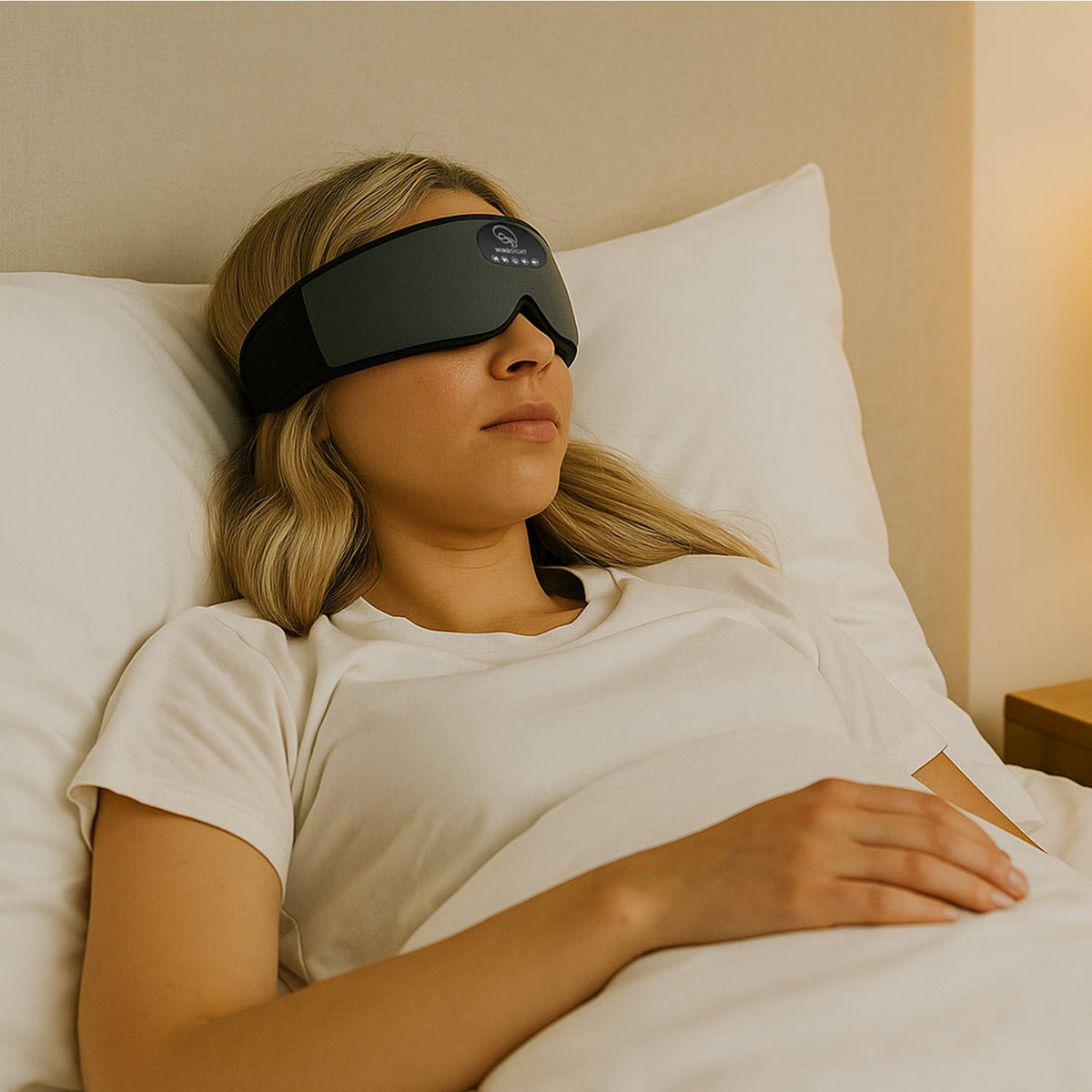
The Mindsight Driftband combines a sleep mask with Bluetooth audio, offering a way to block out light while listening to relaxing sounds, music, or guided audio.
According to the current product information, Driftband features:
- A soft memory foam sleep mask.
- Built-in adjustable HD speakers.
- A washable fabric cover.
- An adjustable strap.
- Rechargeable battery.
- A contoured design intended to provide comfortable light coverage.
The built-in speakers allow you to connect the mask to a Bluetooth-enabled device and listen to audio without needing separate headphones.
This can be useful when incorporating relaxing audio into your evening routine.
Mindsight Driftband
Driftband combines light blocking and wireless audio in one sleep accessory, making it an option for incorporating relaxing audio into your nighttime routine.
Ways to Include Driftband in Your Nighttime Routine
During Your Wind-Down Period
Listen to gentle music or a relaxing audio track while preparing for bed.
When Your Bedroom Is Bright
Use the sleep mask to help block unwanted light.
During Travel
Driftband can also be useful when trying to rest in unfamiliar environments, such as airplanes or hotel rooms.
During Relaxation
Pair comfortable light coverage with guided meditation or calming audio.
Driftband is not a treatment for insomnia or other sleep disorders. It is a sleep accessory designed to combine light blocking and wireless audio in one product.
Learn More About DriftbandAvailability may change, so check the current product page for purchasing information.
Create a Simple 30-Minute Evening Routine
If you are unsure where to start, try this simple routine.
- First 5 Minutes: Prepare for Tomorrow. Write down important tasks, organize essentials, and put away unfinished work.
- Next 5 Minutes: Disconnect. Silence unnecessary notifications and put away recreational devices.
- Next 10 Minutes: Personal Care. Take a warm shower, wash your face, brush your teeth, and change into comfortable clothing.
- Next 5 Minutes: Relax. Stretch gently, practice breathing, or sit somewhere comfortable.
- Final 5 Minutes: Prepare Your Sleep Environment. Dim the lights, make your bedroom comfortable, and choose a quiet activity such as reading or listening to relaxing audio.
You can extend or shorten each step depending on your schedule.
The purpose is to establish a repeatable sequence that helps you slow down.
Frequently Asked Questions
What is the best evening routine for relaxation?
A useful evening routine includes activities that help you transition away from daily responsibilities. These might include putting away your phone, taking a warm shower, reading, stretching, listening to calming music, and preparing your bedroom for sleep.
How long should an evening routine last?
There is no required duration. A simple 20- to 30-minute routine can be a practical starting point. Some people prefer a longer wind-down period of 30 to 60 minutes.
How can I relax at night when I have a busy schedule?
Keep your routine simple. Choose two or three activities that help you unwind, such as taking a shower, writing down tomorrow's priorities, and listening to relaxing music. Consistency matters more than duration.
Should I stop using my phone before bed?
Reducing recreational screen use before bed can help create a more relaxing transition into sleep. Try putting away your phone 30 to 60 minutes before bedtime and replacing scrolling with quieter activities.
What activities help you unwind after a stressful day?
Reading, gentle stretching, warm showers, journaling, breathing exercises, relaxing music, and spending time with loved ones are practical options.
Can listening to music help you relax before sleeping?
Many people find gentle music or calming audio helpful as part of their bedtime routine. Choose audio that feels relaxing rather than stimulating, and keep the volume comfortable.
What is the Mindsight Driftband?
Mindsight Driftband is a Bluetooth sleep mask with built-in adjustable speakers and a memory foam design. It combines light blocking with wireless audio for activities such as listening to music, guided meditation, or relaxing sounds.
What should I do if I still cannot fall asleep?
Avoid forcing yourself to sleep. If you remain awake, consider getting out of bed and doing a quiet activity in dim lighting until you feel sleepy. If sleep difficulties persist or affect your daily life, consult a healthcare professional.
Final Thoughts
A relaxing evening routine does not need to be complicated.
It simply needs to give you an opportunity to step away from the responsibilities, distractions, and stimulation that filled your day.
Start by creating a little distance from your work.
Reduce unnecessary screen time.
Make your bedroom comfortable.
Choose activities that help you unwind.
And give yourself permission to stop thinking about tomorrow for a little while.
During busy seasons, rest deserves a place in your schedule too.
A few intentional evening habits can help make your nights feel less rushed and give you a more comfortable transition from the demands of the day to the rest you need.
Featured Mindsight Product: Driftband
Explore Mindsight Driftband and discover a sleep accessory designed to combine light blocking and wireless audio in one product.
Shop Driftband