How to Create a Screen-Free Weekend
A screen-free weekend does not have to mean avoiding every device. Learn how to intentionally step away from recreational screens and create more time for rest, connection, hobbies, and real-world experiences.
Table of Contents
- What Is a Screen-Free Weekend?
- Why Take a Break From Screens?
- How to Create a Screen-Free Weekend
- Decide What “Screen-Free” Means for You
- Choose When Your Weekend Begins
- Put Your Devices Away
- Plan Offline Activities
- Make Meals Screen-Free
- Get Outside
- Rediscover Hobbies
- Spend Intentional Time With Other People
- Prepare for Common Screen-Time Temptations
- Use a Timed Boundary When You Need Extra Structure
- Spotlight: Mindsight Timed Lock Box Plus
- How to Make Screen-Free Weekends Sustainable
- Frequently Asked Questions
- Final Thoughts
What Is a Screen-Free Weekend?
A screen-free weekend is a planned period when you intentionally reduce or eliminate recreational screen use.
It does not necessarily mean turning off every piece of technology.
You may still need your phone for an emergency, navigation, work responsibilities, important communication, or other practical needs.
The focus is recreational screen use.
That could mean taking a break from:
- Social media
- Endless scrolling
- Streaming
- Gaming
- Online shopping
- News feeds
- Nonessential messaging
- Repeated phone checking
Instead of filling the weekend with digital entertainment, you create more room for offline activities.
Why Take a Break From Screens?
Screens can make it incredibly easy to fill every quiet moment.
Waiting for coffee becomes scrolling.
A free afternoon becomes streaming.
A few minutes before bed becomes social media.
A boring moment becomes another opportunity to check a phone.
Taking a planned break can help you notice how often you reach for a device automatically.
It can also create more opportunities for activities that require physical presence.
A screen-free weekend might give you time to:
- Read a physical book
- Cook
- Exercise
- Spend time outside
- Visit friends
- Play board games
- Work on a hobby
- Organize your home
- Explore somewhere nearby
- Have longer conversations
- Simply rest
The point is not to make every minute productive. It is to give yourself permission to experience time without constantly filling it with digital stimulation.
How to Create a Screen-Free Weekend
The easiest way to make a screen-free weekend work is to plan it before the weekend begins.
A simple process is:
- Decide which screens you are taking a break from.
- Finish essential digital tasks beforehand.
- Let important people know how to reach you.
- Put recreational devices away.
- Plan several offline activities.
- Create screen-free meals and social time.
- Have a strategy for moments when you want to check your phone.
- Decide when the weekend ends.
You do not need to make the experience complicated.
The goal is to remove some of the decisions that might otherwise pull you back toward your devices.
Decide What “Screen-Free” Means for You
There is no single way to create a screen-free weekend.
For one person, it might mean putting away their smartphone and television.
For another, it might mean staying off social media while continuing to use a phone for navigation and calls.
A family might decide that streaming and gaming are off-limits but that computers can still be used for necessary schoolwork.
Before the weekend starts, decide what your boundary actually means.
For example:
“From Saturday morning until Sunday evening, I will not use social media, streaming services, or recreational apps.”
Or:
“My phone is available for calls, messages, maps, and emergencies, but I will not use it for scrolling or entertainment.”
Specific rules are easier to follow than vague intentions.
Choose When Your Weekend Begins
Give your screen-free weekend a clear starting point.
It could begin:
- Friday evening
- Saturday morning
- After breakfast
- After completing weekly errands
- After finishing work
A clear starting point creates a transition.
Friday at 7:00 p.m. • Devices go away.
That simple decision can make the weekend feel different from an ordinary day.
You can also create a clear ending.
Sunday at 6:00 p.m. • Digital activities return.
Having both a beginning and an end makes the boundary feel intentional rather than indefinite.
Put Your Devices Away
Simply deciding not to use a device while keeping it beside you can make the weekend harder than necessary.
If your phone is constantly visible, you may repeatedly think about checking it.
Instead, create a physical location for your devices.
You could use:
- A drawer
- A charging station
- A storage box
- A desk
- A designated family device area
If you need your phone available for calls or emergencies, keep it somewhere accessible but not constantly in your hand.
The goal is to reduce automatic checking.
Plan Offline Activities
A screen-free weekend becomes much easier when you already know what you want to do.
Create a short list before the weekend.
At Home
- Cook a new recipe
- Read
- Organize a room
- Work on a craft
- Play board games
- Complete a home project
- Listen to music
- Journal
- Stretch
- Take a nap
Outside
- Go for a walk
- Visit a park
- Go hiking
- Ride a bicycle
- Have a picnic
- Explore a local area
- Visit a market
- Spend time in the garden
With Other People
- Have a family meal
- Invite friends over
- Play cards
- Cook together
- Visit relatives
- Have a long conversation
- Plan an activity that does not involve screens
You do not need a packed itinerary.
Leave some unplanned time as well.
Part of the benefit of disconnecting is remembering that not every moment needs to be filled.
Make Meals Screen-Free
Meals are an easy place to introduce a screen-free rule.
Keep phones and other recreational devices away from the table.
Instead, use the meal as an opportunity to slow down and interact.
You can make conversation easier by asking simple questions:
- What was the best part of your week?
- What are you looking forward to?
- What is something interesting you noticed recently?
- What should we do together next weekend?
A screen-free meal does not need to become a formal family activity.
It can simply be a meal where everyone is actually there.
Get Outside
Outdoor activities can naturally create distance from screens.
Go for a walk.
Visit a park.
Spend time at the beach.
Take a bike ride.
Work in the garden.
Have lunch outdoors.
Explore a new neighborhood.
The activity itself does not have to be elaborate.
Even a short walk can provide a change of environment and a reason to leave your phone behind.
If you need your phone for safety or navigation, keep it available without using it for recreational browsing.
Rediscover Hobbies
One of the easiest ways to make a screen-free weekend enjoyable is to return to something you genuinely like doing.
Maybe you used to:
- Draw
- Paint
- Play music
- Read
- Cook
- Build things
- Write
- Garden
- Exercise
- Collect something
- Play board games
- Take photographs
You do not need to become highly productive at your hobby.
The goal is simply to give yourself an activity that does not require a feed, notification, or algorithm to keep your attention.
Spend Intentional Time With Other People
Screens can make it possible to be around people without actually interacting with them.
A screen-free weekend creates an opportunity to change that.
Invite someone for coffee.
Have lunch with family.
Play a board game.
Go for a walk together.
Cook a meal.
Visit someone you have not seen recently.
Or simply sit and talk.
You may discover that conversations last longer when nobody is periodically checking a notification.
Prepare for Common Screen-Time Temptations
Even with good intentions, you may experience moments when you want to reach for your phone.
That is normal.
Think ahead about your biggest triggers.
Boredom
Have a book, puzzle, hobby, or activity nearby.
Habit
Keep your phone somewhere other than your usual reaching spot.
Notifications
Silence nonessential notifications before your screen-free period begins.
Social Media
Log out beforehand if that makes it easier to avoid automatic checking.
Streaming
Decide what you will do during the hours you would normally spend watching shows.
FOMO
Remind yourself that you can check what you missed when your planned break is over.
The urge does not require an immediate response. Sometimes simply noticing it is enough to move on.
Use a Timed Boundary When You Need Extra Structure
Some people can put their phone in a drawer and forget about it.
Others know that after an hour or two, they will eventually open the drawer and start scrolling.
If that sounds familiar, a timed physical boundary can make the decision easier.
Instead of repeatedly deciding whether to use your phone, you can create a defined period when the device is intentionally unavailable.
This can be particularly useful during:
- Saturday morning routines
- Family activities
- Meals
- Reading time
- Outdoor activities
- Hobby sessions
- Focused personal projects
- Evening wind-down periods
A defined boundary can remove some of the ongoing negotiation.
Spotlight: Mindsight Timed Lock Box Plus
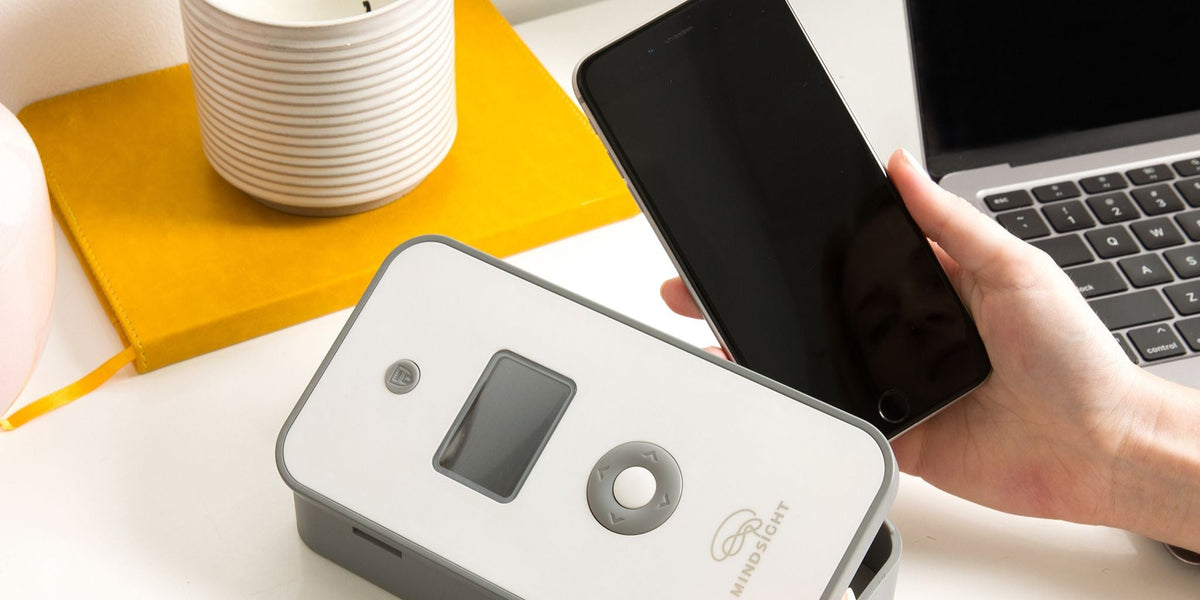
Mindsight Timed Lock Box Plus
The Mindsight Timed Lock Box Plus is designed to create a physical boundary between you and your devices.
The Timed Lock Box is available in Standard and Plus sizes and offers multiple locking modes, including Lockbox Only, Standard Mode, and Fortress Mode. It also includes a charging slot so compatible devices can charge while inside the box.
For a screen-free weekend, the Plus version can be useful when you want more physical space for devices or when several household devices need to be put away.
Instead of keeping your phone in your pocket and relying on repeated decisions not to check it, you can place it inside the box and create a defined period of separation.
That can turn:
“I should probably stop checking my phone.”
into:
“My phone is away until the screen-free period ends.”
The goal is not to make technology permanently inaccessible.
It is to create a deliberate window where something else gets your attention.
Explore Timed Lock Box PlusHow to Make Screen-Free Weekends Sustainable
You do not have to start with an entire weekend.
If two full days feel unrealistic, begin with a few hours.
Try:
Saturday morning without recreational screens.
Then:
Saturday afternoon.
Eventually:
One full day.
Then, if you enjoy it, try an entire weekend.
You can also adjust the rules after each attempt.
Ask yourself:
- What was easy?
- What was difficult?
- When did I most want my phone?
- What activities did I enjoy?
- What boundaries should I change?
- What would make the next weekend easier?
The purpose is to learn what works for your lifestyle.
Frequently Asked Questions
What is a screen-free weekend?
A screen-free weekend is a planned period when you intentionally reduce or avoid recreational screen use. It can include social media, streaming, gaming, and unnecessary phone use while still allowing essential communication or technology when needed.
Do I have to stop using my phone completely?
No. You can create a more realistic boundary by allowing essential functions such as calls, messages, navigation, or emergencies while avoiding recreational activities such as scrolling and entertainment.
What can I do during a screen-free weekend?
Try reading, cooking, exercising, visiting friends, spending time outdoors, playing games, working on hobbies, organizing your home, or simply relaxing without digital entertainment.
How do I avoid getting bored without screens?
Prepare a few offline activities before your screen-free period begins. Keep books, games, hobbies, outdoor activities, or projects available so you have alternatives when you feel the urge to reach for your phone.
Should a screen-free weekend include children?
It can. Families can establish age-appropriate screen-free periods and choose activities everyone can participate in. Clear expectations and alternatives can make the transition easier.
How long should a screen-free weekend last?
There is no required duration. You can begin with several hours, one day, or a full weekend. The most useful duration is one that fits your responsibilities and feels sustainable.
Can a timed lock box help create a screen-free weekend?
A timed lock box can provide a physical boundary during a predetermined period. The Mindsight Timed Lock Box offers timed locking options and a Plus size for additional space.
What if I need my phone for emergencies?
You do not need to make a screen-free weekend completely disconnected from essential communication. Keep your phone available for emergency calls or other important needs while limiting recreational use.
Final Thoughts
A screen-free weekend is not about proving that you can live without technology.
It is about deciding what deserves your attention when technology is not filling every empty moment.
Start small.
Choose your boundaries before the weekend begins.
Put recreational devices away.
Plan a few activities you genuinely enjoy.
Spend time outside.
Share meals without screens.
Talk to people.
Rest.
And allow yourself to experience a little boredom without immediately reaching for your phone.
You may find that once the constant digital stimulation is removed, the weekend feels less like something you need to fill and more like time you can actually experience.
The goal is not to create a perfect screen-free lifestyle.
It is to create intentional space for everything that exists beyond the screen.