Best Tools for a Calm Desk Setup
Your desk setup affects your focus more than you may realize. The objects around you, the amount of clutter in your space, the sounds in the background, and even the textures within reach can all influence how your brain feels while you work.
Many people try to improve productivity by pushing harder, downloading another app, or forcing themselves to stay motivated. But focus is not only about discipline. It is also about creating an environment that makes concentration easier.
A calm desk setup reduces unnecessary stimulation, supports your nervous system, and gives your attention fewer places to wander. With a few simple tools and intentional choices, your workspace can feel clearer, steadier, and easier to work in.
Table of Contents
Why Your Desk Environment Matters
Most people think productivity comes down to effort. Work harder. Stay motivated. Push through distractions. Keep going even when your brain feels tired.
But your environment has a major effect on how easy or difficult focus feels. Your desk is not just a surface for your laptop. It is the space your brain associates with work, decisions, tasks, and attention.
The space around you can influence:
- Focus
- Stress levels
- Mental clarity
- Energy
- Attention span
- How quickly you become distracted
A cluttered workspace creates visual noise. Constant notifications create mental interruptions. Over time, these small distractions can build into larger problems, making it harder to stay present with your work.
A calm desk setup helps reduce unnecessary stimulation so your brain can focus on what matters. Small adjustments can create meaningful improvements, especially when they are easy to maintain.
How Workspace Stress Impacts Focus
Modern work environments create constant demands on attention. Emails stack up, messages arrive instantly, tabs stay open all day, and tasks compete for priority.
When your workspace adds even more stimulation, your brain has to work harder to filter everything. Visual clutter, background noise, phone alerts, and too many open screens can all increase mental load.
This can lead to:
- Difficulty focusing
- Restlessness
- Mental fatigue
- Task switching
- Feeling overwhelmed
- Lower-quality work
A stressful workspace does not always look chaotic. Sometimes, it simply has too many small cues pulling your attention in different directions.
A calm desk setup helps protect your attention by reducing the number of things your brain has to process while you work.
What Creates a Calm Desk Setup
A calming workspace is not about perfection. It does not need to look like a magazine photo or be completely minimal. The goal is to design your desk so it supports focus instead of competing with it.
A calm desk setup often includes:
- Minimal visual clutter
- Natural sensory elements
- Reduced distractions
- Intentional organization
- Physical tools that encourage focus
- Clear boundaries around phone and screen use
Your brain processes everything in your environment, even the things you think you are ignoring. The fewer competing signals it receives, the easier it becomes to concentrate.
Start with what is visible. Clear anything that does not need to be on your desk. Keep only the tools that support the work in front of you. Then add calming elements slowly and intentionally.
The Role of Sensory Inputs in Productivity
Your senses constantly shape how you feel. Sound can influence stress levels. Visual environments can affect mental clarity. Touch can help regulate nervous energy.
This is why a workspace can feel stressful even when nothing is technically wrong. A harsh light, loud background noise, cluttered desk, or uncomfortable texture can make the body feel slightly more tense.
Helpful sensory inputs may include:
- Natural movement
- Gentle ambient sound
- Comfortable textures
- Soft lighting
- Tactile grounding tools
- Simple visual anchors
These subtle inputs influence how your workspace feels. And how your workspace feels can affect how you work.
Why Physical Tools Help More Than Digital Solutions
Many productivity systems rely on screens. Apps, timers, notifications, productivity software, and task dashboards can be helpful, but they also add more digital input.
If you already spend most of your day on a screen, another digital tool may not always feel calming. It can become one more thing to check, manage, update, or respond to.
Physical tools offer a different kind of support. They work quietly, passively, and without demanding your attention. They can help your body regulate while allowing your mind to stay with the task.
This creates an important difference: physical tools support focus without adding another stream of information.
The Best Tools for a Calmer Workspace
Creating a calm workspace does not require a complete redesign. Simple tools often create the biggest impact because they are easy to use consistently.
Mindful Putty
The Mindful Putty by Mindsight provides tactile grounding during stressful work periods. When your body feels restless or your mind feels busy, using your hands can help redirect nervous energy into touch.
Many people naturally reach for movement while concentrating. They tap their fingers, click pens, shift in their chair, or pick up objects on the desk. A tactile tool gives that energy a more intentional place to go.
Mindful Putty can be helpful during:
- Meetings
- Deep work sessions
- Creative work
- Stressful moments
- Long periods of concentration
The goal is not distraction. The goal is regulation.
Mindful Putty
A soft, tactile desk tool that helps redirect restless energy and support focus during work, meetings, and stressful moments.
Explore Mindful PuttyCalming Cloud Tabletop Fountain
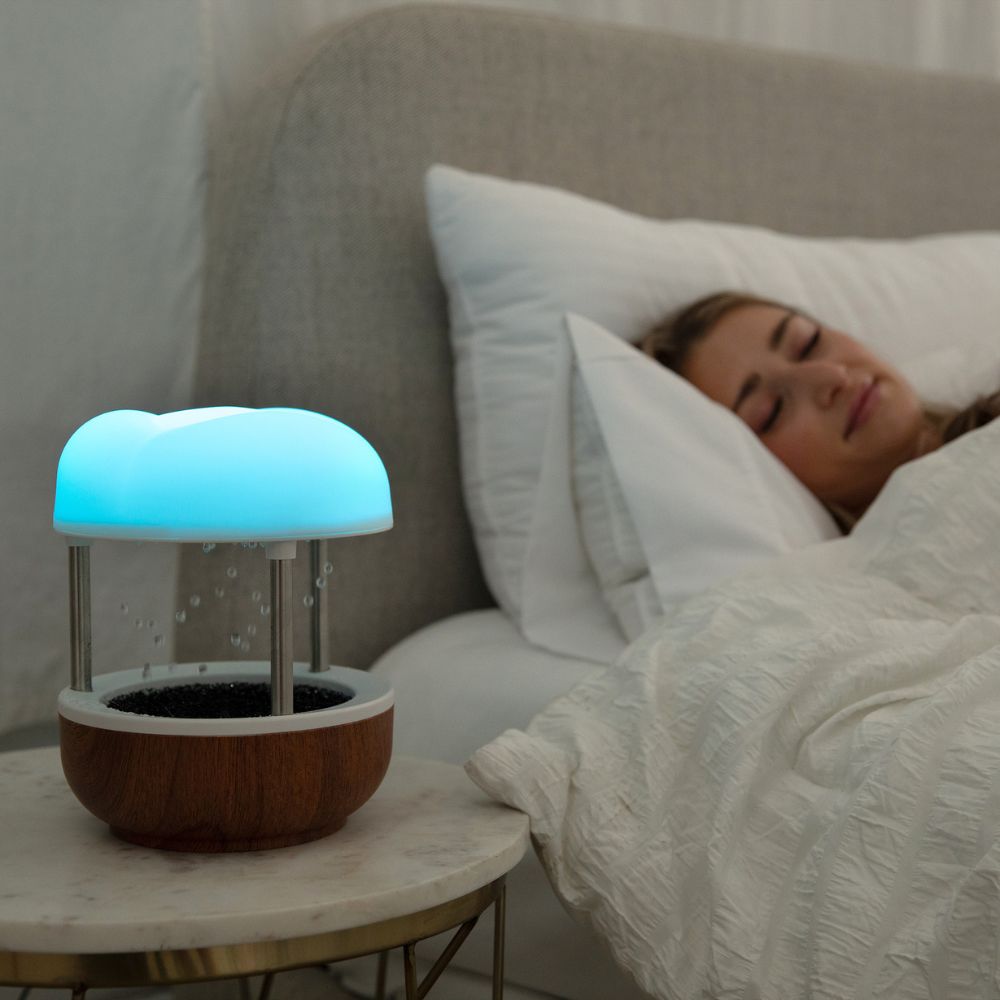
Environmental stress often comes from overstimulation. The Calming Cloud Tabletop Fountain by Mindsight introduces gentle sensory calm into your workspace through soft sound and subtle movement.
Flowing water can create a steady background sound, while gentle visual movement gives your eyes a calming place to rest. These environmental signals can help make a busy workday feel less sharp and more grounded.
Many people place calming sensory elements:
- On work desks
- Near home offices
- In reading spaces
- In therapy offices
- In creative environments
The purpose is simple: to create a calmer workspace without adding another screen or task.
Calming Cloud Tabletop Fountain
A gentle tabletop water feature that adds soft ambient sound and calming movement to your desk or workspace.
Explore Calming CloudBuilding a Desk Setup That Supports Deep Work
You do not need dozens of tools to create a better workspace. You need intentional choices that reduce distraction and support the kind of work you want to do.
Start with simple changes:
- Reduce desk clutter
- Create phone-free work periods
- Introduce calming sensory inputs
- Build transition rituals between tasks
- Use physical grounding tools
- Protect your attention during deep work
A transition ritual can be especially helpful. Before starting a focused work block, clear your desk, put your phone away, take a breath, and choose the one task you are working on next.
These small environmental improvements create stronger habits over time. The goal is not perfection. The goal is creating conditions that support focus naturally.
Final Thoughts
Your workspace influences more than productivity. It influences how you feel throughout the day.
Stress can accumulate quietly when your desk is cluttered, your phone is always nearby, and your environment keeps asking your brain to process more than it needs to.
A calmer desk setup helps reduce unnecessary mental load. Simple physical tools can support focus without adding more digital stimulation. Mindful Putty offers tactile grounding, while the Calming Cloud Tabletop Fountain adds gentle sensory calm.
Together, these kinds of tools can help create a workspace that works with your brain instead of against it.
Build your workspace intentionally. Your attention deserves protection.