Table of Contents
- Introduction: When Your Nervous System Is Overloaded
- The Science of Sensory Calm
- Why Sound and Sight Affect Your Mood
- Common Barriers to Relaxation
- How Ambient Elements Support Slow Breathing
- Spotlight: The Calming Cloud Tabletop Fountain
- Practical Ways to Add Sensory Calm
- Conclusion: Design Your Space for Peace
Introduction: When Your Nervous System Is Overloaded
Modern life is loud.
Notifications buzz incessantly. Traffic hums outside your window. Voices, alerts, text tones, deadlines — it’s all constant. Your nervous system never truly gets a break.
This constant sensory overload keeps your stress response activated. Your body stays in alert mode, even when you try to relax.
What if your space could help your nervous system slow down instead of speeding it up?
The Science of Sensory Calm
Your sensory organs are powerful. Sound and sight feed information directly to your brain — and your brain responds automatically.
Certain sounds like rushing water, rain, or gentle streams have been shown to lower stress hormones and promote relaxation. Similarly, calming visuals help reduce visual noise and invite your nervous system into a more receptive, relaxed state.
These sensory cues have roots in nature’s rhythms — and humans are wired to respond to them.
Why Sound and Sight Affect Your Mood
When you hear pleasant ambient sounds, neurons in your auditory system communicate with areas of the brain that regulate emotion and attention. This communication can shift your state from stress to calm.
Sight also matters. Busy visuals demand attention. Our brains constantly filter them out, which uses mental energy and keeps the nervous system alert. In contrast, rhythmic and gentle motion invites soft attention without forcing focus.
This combination of predictable sight and sound resembles natural environments — like being near water — and helps shift your physiology into a relaxed state.
Common Barriers to Relaxation
Many people try meditation, apps, or sleep playlists, but still struggle to calm. Why?
- Too much screen time keeps the brain in “engaged mode”
- Music playlists can be distracting or overstimulating
- Silence feels empty or stressful for some
- Meditation seems too abstract or difficult
In all these cases, the environment isn’t supporting calm — it’s still competing for your attention.
To truly relax, your senses need soft cues that invite peace without requiring effort.
How Ambient Elements Support Slow Breathing
Gentle noises—like water flowing—help shift your breath from shallow to deep. When your breath lengthens, the nervous system begins signaling safety.
Your breath is a bridge between your internal state and the world around you. When sound and sight gently slow your rhythm, your breath follows.
This is why many meditation traditions include water, wind chimes, or slow movement. It’s not just aesthetic — it’s physiological.
Spotlight: The Calming Cloud Tabletop Fountain
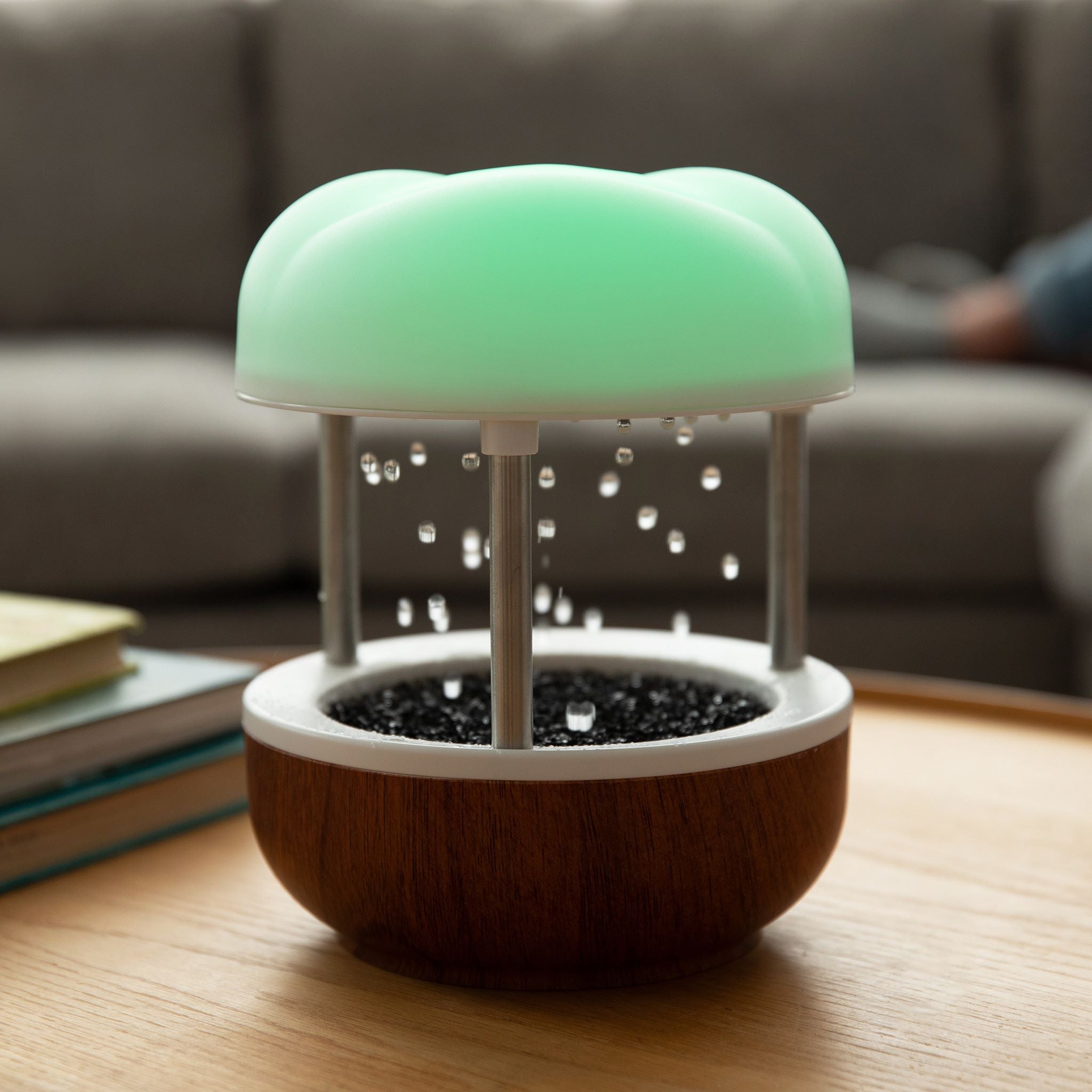
The Calming Cloud Tabletop Fountain brings this principle into your everyday environment with subtle beauty.
It provides:
- Soft, rhythmic water sound
- Gentle visual motion
- A screen-free sensory anchor
- A focal point for breath awareness
Instead of passive soundtracks or digital apps that compete for your attention, the fountain introduces a natural sensory pattern that helps your body relax organically.
Whether it’s on your desk, nightstand, or meditation corner, it becomes a cue for calm.
Practical Ways to Add Sensory Calm
You can use sensory calm in many parts of your day:
- Place the fountain near your workspace to slow your rhythm between tasks.
- Use it in the evening to move your nervous system toward rest.
- Meditate or breathe alongside its flow to enhance presence.
- Keep it in communal areas to encourage calm energy for guests and family.
Each time you engage your senses gently, you give your nervous system a moment of rest — and that adds up.
Conclusion: Design Your Space for Peace
Peace isn’t only something you feel — it’s something you design. Your nervous system responds to what you put in front of it.
By embracing sight and sound cues that promote calm, you can shift your state without effort or discipline.
The Calming Cloud Tabletop Fountain isn’t just decor. It’s a sensory anchor for your day — a way to slow down and breathe more deeply, simply by being present.