Best Desk Tools for Stress Relief at Work
Work stress rarely appears all at once. Most of the time, it builds quietly throughout the day. A full inbox, back-to-back meetings, constant notifications, long hours at a screen, and the pressure to stay productive can slowly create tension in your mind and body.
By the afternoon, you may feel restless, mentally tired, distracted, or overwhelmed, even if nothing especially dramatic happened. That is because stress often accumulates through small moments that never get fully released.
The right desk tools can help create small moments of reset during the workday. They do not need to interrupt your schedule or require a long break. They simply give your body and mind a calmer place to land.
Table of Contents
- Why Work Stress Builds Up
- How Stress Affects Focus and Productivity
- Why Small Tools Make a Big Difference
- What to Look for in Stress Relief Tools
- Types of Desk Tools That Reduce Stress
- Why Physical Tools Work Better Than Digital Breaks
- Desk Tools to Try: Mindful Putty, Breathing Buddha, and Calming Cloud
- How to Use These Tools During Your Workday
- Conclusion: Build a Calmer Work Environment
Why Work Stress Builds Up
Work stress does not always come from one major event. Often, it comes from repeated small demands that keep your nervous system activated. A quick message here, a deadline there, a meeting that runs long, or a task that keeps getting interrupted can all add up.
Even when you are sitting still, your body may be holding tension. Your shoulders may lift, your jaw may tighten, your breathing may become shallow, and your focus may start to scatter.
This can lead to:
- Mental fatigue
- Reduced focus
- Restlessness
- Difficulty staying productive
- A sense of feeling overwhelmed by small tasks
Most workspaces are designed for output, not recovery. That is why adding small stress-relief tools to your desk can be helpful. They create tiny reset points inside the day instead of waiting until stress has already piled up.
How Stress Affects Focus and Productivity
Stress affects both the body and the mind. When your nervous system feels activated, your brain can shift into a more reactive state. That may make it harder to think clearly, organize your thoughts, and stay with one task long enough to finish it.
You may notice yourself switching between tasks more often, checking your phone more frequently, rereading the same sentence, or feeling unusually irritated by small interruptions.
Over time, stress can reduce the quality of your work because your attention is being pulled in too many directions. Managing stress during the day is not just about feeling calmer. It also supports better focus, steadier energy, and more consistent productivity.
A calmer workspace does not remove every source of stress, but it can help your body recover from stress more often throughout the day.
Why Small Tools Make a Big Difference
Big changes to your work routine are not always realistic. You may not be able to take a long walk, leave your desk, or step away every time stress appears.
Small tools work because they are easy to access. They can interrupt stress patterns, give your hands something grounding to do, guide your breathing, or soften the atmosphere around your workspace.
These tools are not about avoiding work. They are about helping your body and mind stay regulated enough to keep going without burning out.
A few intentional moments can make the workday feel less sharp around the edges.
What to Look for in Stress Relief Tools
The best desk tools for stress relief are simple, quiet, and easy to use during a normal workday. They should support focus instead of pulling you into more distraction.
Look for tools that:
- Are simple to use
- Do not require screens
- Provide a calming sensory experience
- Can be used quietly at a desk
- Support focus rather than interrupt it
- Fit naturally into short breaks or work transitions
The goal is not to escape your work every time you feel tense. The goal is to make your workspace more supportive so you can stay present with less strain.
Types of Desk Tools That Reduce Stress
Different tools support stress relief in different ways. Some help your body release restless energy. Some support breathing. Others create a calmer environment so your workspace feels less intense.
Tactile Tools
Tactile tools are objects you can hold, squeeze, stretch, or move with your hands. They can be helpful when your body feels restless but you still need to stay focused.
Touch gives your attention a physical anchor. It can help release nervous energy without needing to leave your desk.
Breathing Guides
Breathing tools help you slow down your breath without having to count or remember a pattern. A visual breathing rhythm can be especially helpful during stressful work moments because it gives your attention something simple to follow.
Sensory Environment Tools
Your surroundings influence your stress level. Gentle sound, soft movement, and calming visual elements can help make your workspace feel more peaceful.
These tools work quietly in the background, supporting a calmer atmosphere without demanding much attention.
Why Physical Tools Work Better Than Digital Breaks
When stress builds during work, many people automatically reach for their phones. It feels like a break, but it can easily become another source of stimulation.
Scrolling, notifications, news, messages, and app switching can keep your brain active when what you actually need is a moment of lower stimulation.
Physical tools offer a different kind of break. They give your senses something simple to focus on without opening another screen. This allows your nervous system to settle instead of taking in more information.
For work stress, that difference matters. A real reset should help you return to your task feeling steadier, not more scattered.
Desk Tools to Try: Mindful Putty, Breathing Buddha, and Calming Cloud
These three tools support stress relief in different ways. One gives your hands a grounding outlet, one guides your breathing, and one helps create a calmer workspace atmosphere.
Mindful Putty
Mindful Putty by Mindsight provides a tactile way to release nervous energy during the workday. Using your hands can help you stay present during moments when your mind feels busy or your body feels restless.
It can be especially helpful while thinking through a problem, taking a short reset between tasks, or giving your hands something calming to do during a pause.
Explore Mindful PuttyBreathing Buddha
The Breathing Buddha helps guide slow, steady breathing through a gentle visual rhythm. Instead of counting breaths or trying to remember a technique, you can follow the light and let your breathing settle naturally.
This can be useful before a meeting, after a stressful email, or anytime you need a short pause to reset your nervous system.
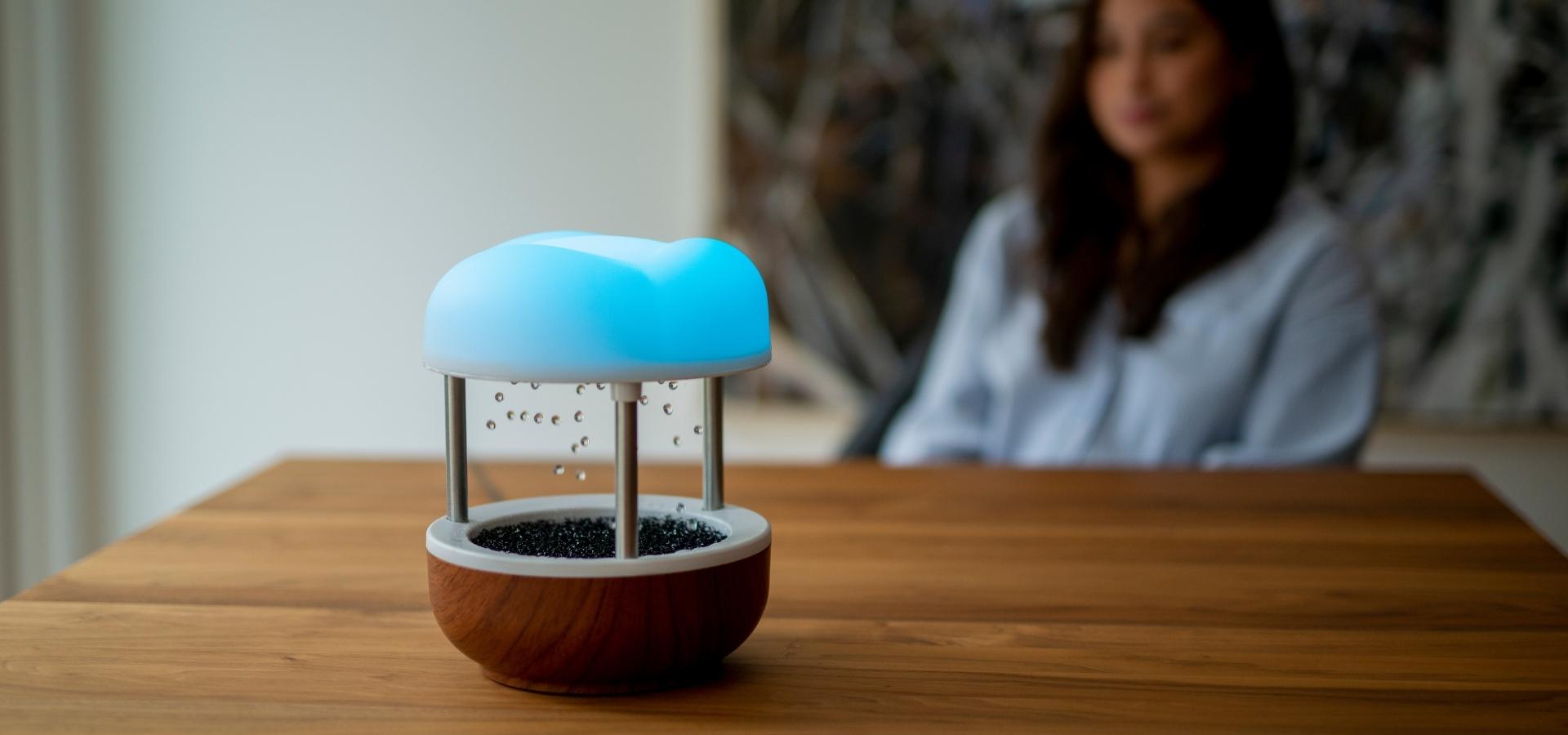
Explore the Breathing BuddhaCalming Cloud Tabletop Fountain
The Calming Cloud Tabletop Fountain adds gentle sound and movement to your workspace. The flow of water can help soften the atmosphere around your desk and make the space feel less tense.
It works well in a home office, desk corner, reading area, or any workspace where you want a more peaceful background.
Explore the Calming CloudHow to Use These Tools During Your Workday
Stress relief tools work best when they are easy to use during natural pauses. You do not need a long ritual or a perfectly quiet room. A few mindful moments can help reset your energy.
You can use them:
- Before starting a focused work session
- Between meetings
- After reading a stressful message
- While thinking through a problem
- During a short afternoon reset
- After finishing a difficult task
You might hold Mindful Putty while organizing your thoughts, follow the Breathing Buddha for a one-minute breathing break, or keep the Calming Cloud nearby to create a softer desk environment.
The key is consistency. Small resets throughout the day can prevent stress from building into something heavier.
Conclusion: Build a Calmer Work Environment
Work stress is a normal part of daily life, but it does not have to control your focus, energy, or mood.
Small desk tools can support your nervous system in simple, practical ways. Tactile tools can help release restlessness. Breathing tools can guide a calmer rhythm. Sensory tools can make your workspace feel more peaceful.
Mindful Putty, Breathing Buddha, and the Calming Cloud Tabletop Fountain each offer a different way to bring more calm into your workday without adding more screen time or distraction.
Start with one small change. Keep a calming tool within reach. Use it during natural pauses. Let your workspace support the kind of focus and steadiness you want to feel.