Easy Calm When Anxiety Hits: How to Use Breath to Regain Control
Table of Contents
- Introduction: When Anxiety Takes Over
- Why Breath Matters for Your Nervous System
- Common Breathwork Challenges
- How the Breathing Buddha Supports Your Practice
- Practical Breath Techniques You Can Use Today
- Incorporating Breathwork Into Daily Routines
- Conclusion: Calm Is Always Within Reach
Introduction: When Anxiety Takes Over
Anxiety can feel like a sudden storm — quickening your heartbeat, tightening your muscles, racing your thoughts. It shows up at work, before sleep, or even when you’re trying to relax with loved ones. Most people want to calm down fast, but don’t know how.
Breath is one of the most effective tools for regulating stress. Yet many people struggle with breathwork because it feels abstract or difficult to track. That’s why visual support can make all the difference.
Why Breath Matters for Your Nervous System
When anxiety hits, your nervous system switches into fight‑or‑flight mode. Your chest fills with rapid, shallow breaths that actually keep your body in a stressed state.
Deep, intentional breathing engages the parasympathetic nervous system — the “rest and digest” branch of your nervous system. By slowing your breath and breathing with intention, you can help your body shift out of stress and toward calm.
But breathing isn’t automatic when anxiety is high. That’s where guided tools become helpful.
Common Breathwork Challenges
Many people struggle with breathwork for a few key reasons:
- Counting breaths feels forced or distracting
- It’s hard to know when to inhale, hold, or exhale
- Thoughts quickly pull attention away
- Beginners don’t feel immediate results
- Apps can be overwhelming or intrusive
These obstacles turn breathwork from a solution into a frustration — until you find a way to anchor your attention.
How the Breathing Buddha Supports Your Practice
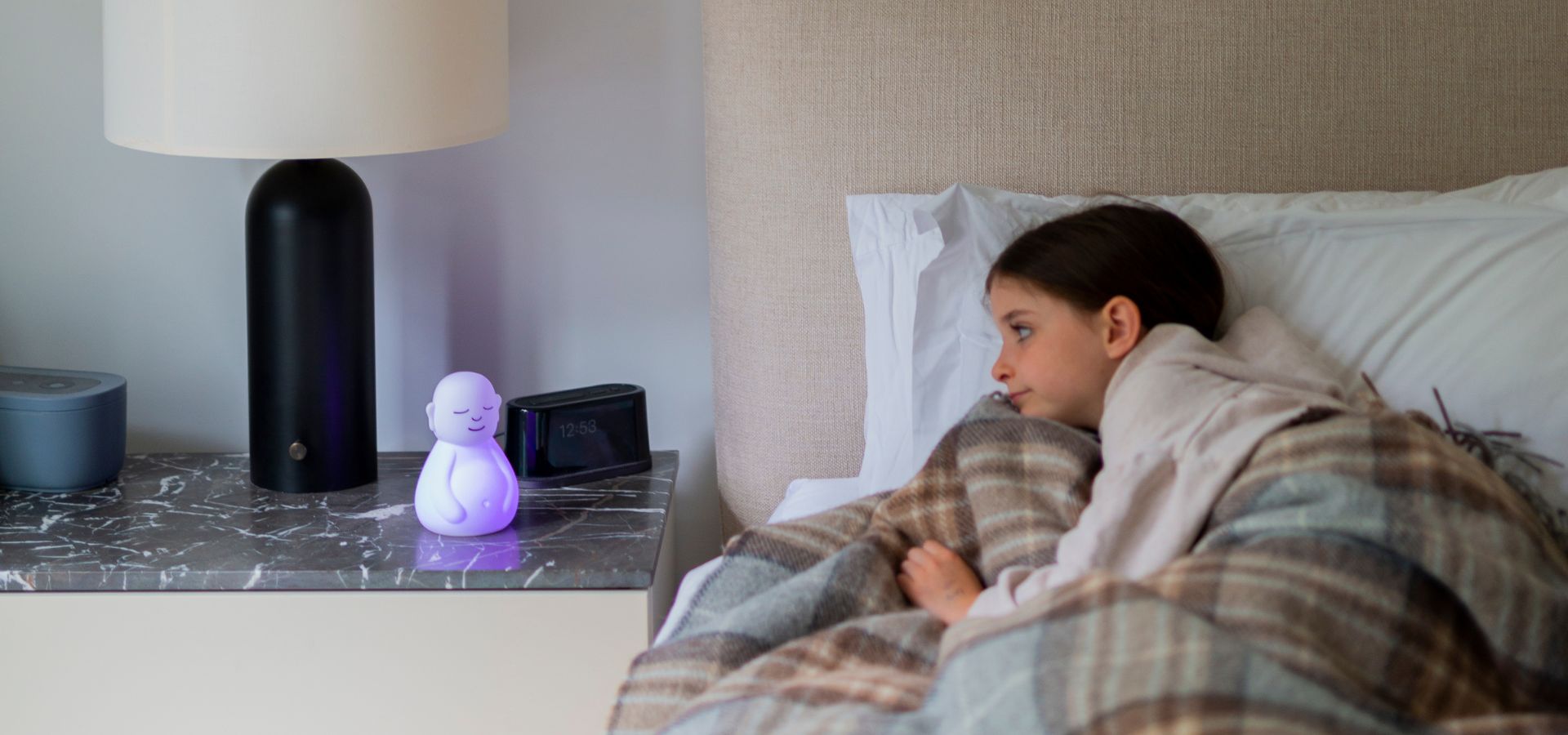
The Breathing Buddha is a visual and tactile breath guide that helps you stay focused and relaxed.
Instead of counting in your head or watching a timer, the visual rhythm of the Buddha’s guide helps you:
- Follow inhale and exhale patterns
- Stay present without distraction
- Engage your senses beyond just thinking
This makes breathwork more intuitive and calming — especially during moments of stress when focus is hard to maintain.
The Breathing Buddha transforms breathwork from a task into a rhythm you can feel and see. It’s particularly valuable for beginners or anyone who struggles with silent breath counting.
Practical Breath Techniques You Can Use Today
Here are simple breath patterns you can practice right now:
Box Breathing: Inhale slowly, hold briefly, exhale slowly — all with equal timing. This creates a cadence that calms the nervous system.
4‑7‑8 Breathing: Inhale for a count of four, hold for seven, exhale for eight. This longer exhale helps deepen relaxation.
Belly Breathing: Place one hand on your chest and one on your belly. Breathe into your belly slowly, letting it rise and fall. This helps activate diaphragm breathing, which signals calm to your brain.
Using the Breathing Buddha while practicing these patterns helps reinforce rhythm and presence.
Incorporating Breathwork Into Daily Routines
Breathwork doesn’t need to be a separate, long ritual. You can use it throughout your day:
- While waiting in line
- During a short break at work
- After a stressful call or argument
- Before sleep to unwind
- First thing in the morning to center your mind
Even one minute of intentional breath can shift your nervous system from stress toward calm.
Conclusion: Calm Is Always Within Reach
Anxiety doesn’t have to disrupt your life. With simple, intentional breathing and a visual guide like the Breathing Buddha, you can access calm anytime, anywhere.
Breath is always with you—it’s just a matter of how you use it.
Learn more about how the Breathing Buddha supports natural breathwork