Table of Contents
- Introduction: Why Falling Asleep Can Feel Difficult
- The Connection Between Stress and Sleep
- Understanding Your Nervous System
- Why Relaxation Is Necessary for Sleep
- How Breath and Body Awareness Promote Calm
- Spotlight: Driftband for Nighttime Relaxation
- A Simple Night Routine for Better Sleep
- Conclusion: Supporting Your Body’s Natural Sleep Rhythm
Introduction: Why Falling Asleep Can Feel Difficult
Many people struggle with falling asleep even when they feel physically tired.
You may lie down, close your eyes, and expect your body to drift into rest. Instead, your thoughts begin racing. Your mind replays conversations from earlier in the day or starts planning tomorrow’s responsibilities.
While sleep may seem like something that should happen automatically, your body needs the right internal conditions for it to occur.
One of the most important factors is the state of your nervous system.
If your body remains in a state of alertness or stress, it becomes difficult to transition into sleep — no matter how tired you feel.
The Connection Between Stress and Sleep
Stress activates the body’s fight-or-flight response.
This response increases heart rate, sharpens focus, and prepares your body to react quickly to potential threats. While this reaction is helpful in emergencies, it can become problematic when it stays active for too long.
After a busy day filled with work, screens, and constant stimulation, your body may still carry that heightened state of alertness into the evening.
When stress hormones remain elevated, falling asleep becomes more difficult. The brain stays active, the body remains tense, and relaxation feels out of reach.
To prepare for sleep, your body must shift into a calmer physiological state.
Understanding Your Nervous System
Your nervous system operates through two primary modes.
The sympathetic nervous system controls alertness and activity. It prepares your body to handle challenges, react quickly, and stay focused.
The parasympathetic nervous system controls rest and recovery. It slows heart rate, deepens breathing, and supports relaxation.
Healthy sleep occurs when your body transitions from the active sympathetic state into the restorative parasympathetic state.
However, modern habits often keep the sympathetic system active far into the night.
Constant screen exposure, late-night work, and mental overstimulation can delay the body’s natural transition into rest.
Why Relaxation Is Necessary for Sleep
Sleep does not simply begin because you decide it is time to rest.
Your body must first receive signals that it is safe to relax.
These signals often come through physical sensations such as slower breathing, relaxed muscles, and reduced mental stimulation.
Without these cues, your brain continues interpreting the environment as active rather than restful.
Creating intentional moments of calm before bedtime allows the body to recognize that the day is ending and recovery can begin.
This is why sleep experts often recommend wind-down routines that gradually shift the nervous system toward relaxation.
How Breath and Body Awareness Promote Calm
One of the most effective ways to calm the nervous system is through breathing.
Slow, steady breathing activates the parasympathetic nervous system and reduces physical tension.
As breathing becomes deeper and more rhythmic, the body begins to relax naturally.
Body awareness also plays a role in relaxation. Paying attention to physical sensations — such as the rise and fall of your breath or the feeling of your body against the bed — helps move attention away from racing thoughts.
These simple practices can help create the internal conditions necessary for sleep.
Spotlight: Driftband for Nighttime Relaxation
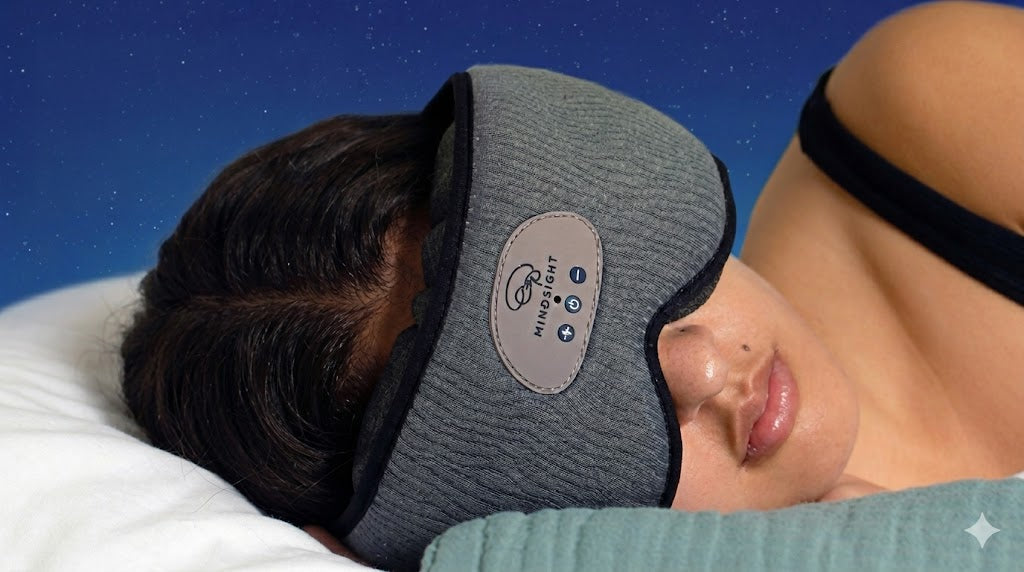
The Driftband by Mindsight is designed to support the body’s natural relaxation process before sleep.
Unlike digital sleep apps that rely on screens or audio content, the Driftband provides gentle rhythmic feedback that encourages slower breathing and physical calm.
This wearable support helps guide the body into a relaxed state without requiring active concentration.
The Driftband works with your body’s natural systems by promoting steady breathing and sensory awareness.
Many people find it helpful during their wind-down routine or while lying in bed preparing to sleep.
Explore the Driftband here:
https://mindsightnow.com/products/driftband
A Simple Night Routine for Better Sleep
A consistent nighttime routine helps signal to your body that it is time to rest.
Here is an example of a simple routine that supports relaxation.
Step 1: Reduce Screen Exposure
Avoid screens for at least thirty minutes before bedtime to allow melatonin levels to rise.
Step 2: Dim the Lights
Lower lighting levels in your home to help your body transition into nighttime mode.
Step 3: Slow Your Breathing
Take several slow, deep breaths to release tension from the day.
Step 4: Use Relaxation Tools
Tools like the Driftband can support the calming process by guiding your body toward steady breathing.
Step 5: Maintain Consistent Sleep Times
Going to bed at the same time each night helps regulate your internal clock.
Over time, these habits train your body to prepare for sleep naturally.
Conclusion: Supporting Your Body’s Natural Sleep Rhythm
Sleep becomes easier when your nervous system is calm.
Instead of trying to force yourself to fall asleep, focus on creating conditions that allow relaxation to occur naturally.
Small changes — such as reducing stimulation, slowing your breath, and creating a consistent wind-down routine — can make a meaningful difference.
Tools like the Driftband support this process by helping your body transition smoothly from activity to rest.
When your nervous system learns how to relax at night, sleep becomes deeper, easier, and more restorative.
Learn more about the Driftband here:
https://mindsightnow.com/products/driftband