How to Make Your Home Feel More Peaceful
Your home affects how you think, feel, rest, and move through the day. The lighting, sounds, clutter, colors, textures, and movement around you all send signals to your nervous system, even when you are not consciously paying attention.
A peaceful home is not about creating a perfect space. It is about designing an environment that helps your body feel safe, your mind feel less crowded, and your attention feel more settled.
With a few small changes, you can make your home feel calmer, more intentional, and more supportive of everyday wellbeing.
Table of Contents
- Why Your Environment Affects Mental Wellbeing
- The Hidden Stress of Overstimulating Spaces
- Small Changes That Make a Home Feel Calmer
- Why Visual Calm Matters
- The Role of Movement and Sensory Design
- How Intentional Design Supports Relaxation
- Creating Peaceful Spaces Without Major Renovations
- Products That Support a Calmer Home
- Final Thoughts
Why Your Environment Affects Mental Wellbeing
Most people think stress comes entirely from work, responsibilities, relationships, or daily obligations. Those things matter, but your physical environment also plays a powerful role.
Your brain is constantly processing what surrounds you. Lighting, sound, movement, clutter, color, and visual stimulation all shape how your body feels throughout the day.
A chaotic environment can create subtle mental tension. A calm environment can support regulation, focus, and recovery. This is one reason some spaces immediately feel peaceful while others feel overwhelming.
Your home can either work with your nervous system or against it. The goal is to create a space that helps your mind settle instead of asking it to process more.
The Hidden Stress of Overstimulating Spaces
Modern life already brings constant stimulation. Notifications, bright screens, background noise, visual clutter, and multiple competing inputs can keep the brain in a steady state of alertness.
Even when each of these factors seems small on its own, together they create cognitive load. Your brain has to continuously filter unnecessary information, which can leave you feeling drained or restless.
Overstimulating spaces can contribute to:
- Mental fatigue
- Difficulty focusing
- Restlessness
- Feeling overstimulated
- Reduced ability to relax
- A sense of being mentally crowded
Creating a peaceful home often starts by reducing unnecessary input. Less noise, less visual clutter, and fewer competing signals can give your nervous system more room to settle.
A peaceful home does not need to be empty. It needs to feel intentional, steady, and supportive.
Small Changes That Make a Home Feel Calmer
Creating a peaceful environment does not require a complete redesign. Small adjustments can create meaningful improvements when they are chosen with care.
You can begin with simple changes such as:
- Reducing visible clutter on surfaces
- Creating dedicated quiet spaces
- Adding softer lighting in the evening
- Introducing calming sensory elements
- Reducing unnecessary background noise
- Creating intentional screen-free areas
- Keeping rest spaces separate from work spaces when possible
The goal is not perfection. The goal is creating a space that supports recovery. Even one calmer corner can change the way your home feels.
Why Visual Calm Matters
Your visual environment influences your mental state. The brain naturally responds to what it sees, especially movement, contrast, clutter, and light.
Not all visual input affects the nervous system in the same way. Fast, unpredictable movement can increase stimulation. Gentle, rhythmic movement can have the opposite effect.
This is why natural elements like flowing water, leaves moving outside a window, soft shadows, or slow movement patterns often feel calming. The nervous system responds to rhythm and predictability.
Visual calm creates mental calm by giving your brain fewer sharp signals to process and more steady cues to rest on.
The Role of Movement and Sensory Design
Intentional sensory design helps create spaces that support regulation. Soft textures, natural sound, gentle movement, and visual simplicity all influence how safe and settled your nervous system feels.
Thoughtful sensory design does not demand attention. It quietly supports it. A peaceful space can still feel alive, warm, and interesting without becoming overstimulating.
Calming sensory elements may include:
- Soft fabrics and natural textures
- Gentle water sounds
- Slow visual movement
- Warm, diffused lighting
- Plants or natural materials
- Quiet spaces without screens
Creating peaceful spaces often means introducing calming sensory experiences, not simply removing everything from the room.
How Intentional Design Supports Relaxation
Peaceful environments create cues for the brain. Certain spaces can begin to signal rest, recovery, focus, or presence when they are used consistently.
This is why intentional home design can support wellbeing. You are not only changing how a room looks. You are changing how your nervous system responds inside that room.
For example, a quiet reading corner can signal calm. A bedroom without visible work items can signal rest. A living room with softer lighting and gentle movement can signal connection and relaxation.
Consistency matters. The more often your environment supports calm, the more naturally calm begins to feel.
Creating Peaceful Spaces Without Major Renovations
You do not need major renovations to make your home feel more peaceful. Small environmental changes can shift the mood of a room and make it easier for your attention to settle.
Start with one area you use often. This could be a bedroom, desk corner, living room, reading nook, or entryway. Then look for what feels noisy, crowded, harsh, or distracting.
Try simple changes like:
- Create a reading corner with soft light
- Reduce visible technology in rest spaces
- Add natural sensory elements
- Protect certain areas from digital overload
- Use baskets or trays to reduce visual clutter
- Focus on simplicity instead of perfection
Calm homes are not always empty. They are intentional. The goal is building environments that help your attention settle rather than scatter.
Products That Support a Calmer Home
Certain physical tools can help create sensory calm inside your environment. The best tools are simple, screen-free, and easy to place naturally in the spaces where you already live.
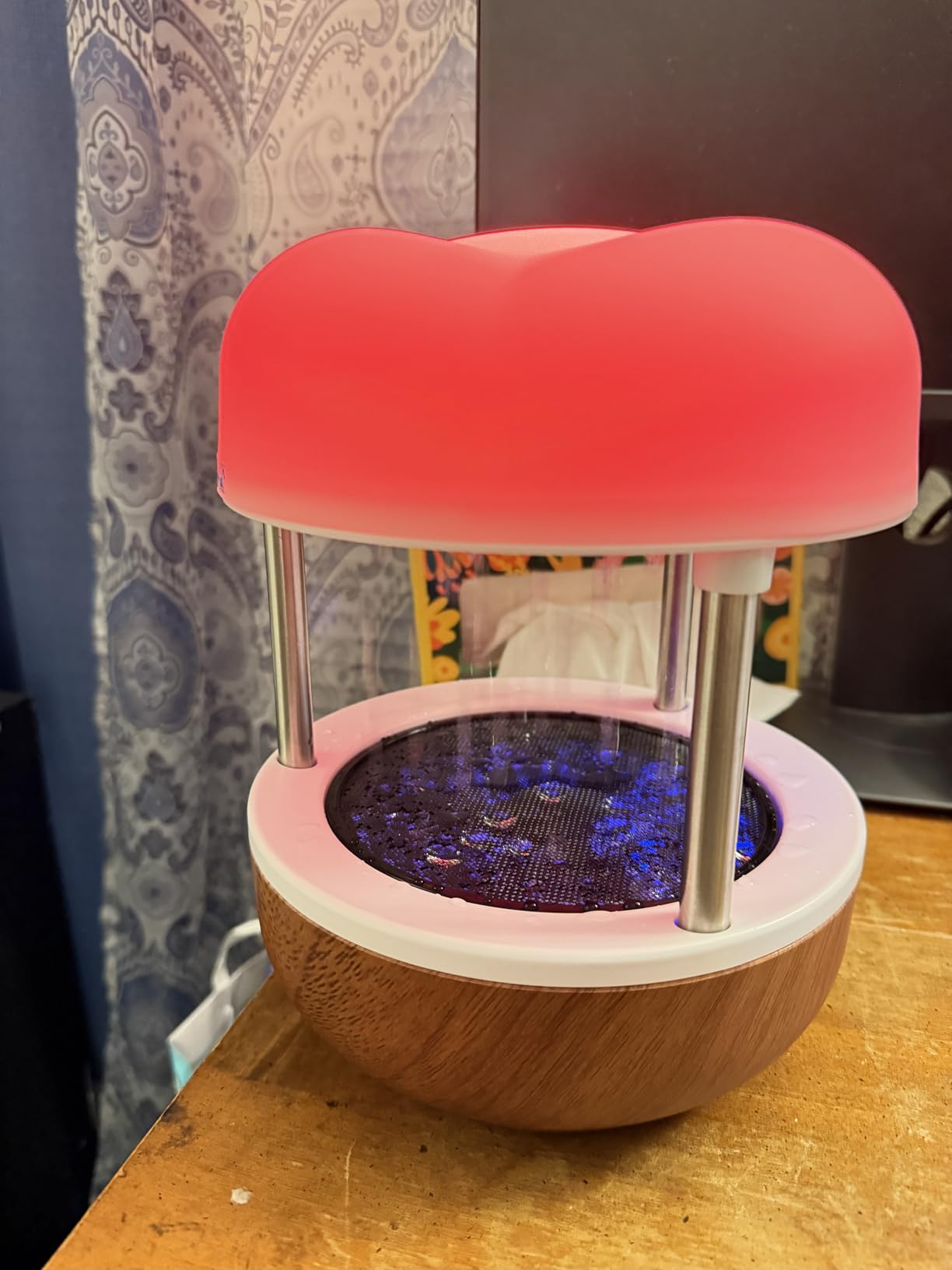
Calming Cloud Tabletop Fountain
The Calming Cloud Tabletop Fountain by Mindsight adds soft water movement and ambient sound to support a more peaceful environment.
Gentle flowing water introduces sensory calm without adding screen stimulation. It can work well in living rooms, bedrooms, meditation spaces, home offices, and reading areas.
Explore the Calming CloudKinetic Wall Art
The Kinetic Wall Art by Mindsight introduces slow, intentional movement designed to support calm attention.
Unlike digital screens that compete for focus, gentle rhythmic motion can create a grounding visual anchor. It can help create visual stillness, reduce overstimulation, support mindful pauses, and improve environmental calm.
Explore Kinetic Wall ArtFinal Thoughts
Peaceful homes are not built through perfection. They are built through intentional choices that reduce unnecessary stimulation and support the way you want to feel.
Small environmental changes can influence how you think, focus, relax, and recover from stress. Less stimulation, more intention, and more sensory calm can help your home feel easier to be in.
The Calming Cloud Tabletop Fountain and Kinetic Wall Art can help create calming spaces that support your nervous system naturally through soft sound, gentle movement, and visual rhythm.
Build a home that helps your mind settle. Start with one space, one corner, or one small change, and let calm grow from there.