Best Tools for Restless Hands
Restless hands are more common than many people realize. You might tap your fingers, click a pen, pull at your sleeves, fidget with objects on your desk, or keep your hands moving during meetings, calls, or long periods of concentration.
These small movements are not always a problem. For many people, movement helps the body release nervous energy, stay alert, and maintain focus. The goal is not to force stillness. The goal is to create movement that supports regulation instead of becoming another distraction.
Tactile tools can help by giving restless hands a calming, intentional outlet. With the right tool, your hands have something grounding to do while your mind stays connected to the task in front of you.
Table of Contents
- Why Restless Hands Happen
- The Connection Between Movement and Regulation
- How Sensory Input Supports Focus and Calm
- What Makes a Good Tool for Restless Hands
- When Restless Hands Affect Daily Life
- Why Physical Tools Help More Than Passive Distraction
- Finding a Sensory Tool That Works for You
- Mind Sculpt for Restless Hands
- Final Thoughts
Why Restless Hands Happen
Many people notice restless hands without thinking much about it. You may fidget while concentrating, move your hands during a conversation, or look for something to hold when you feel stressed.
Restless hands can happen for many reasons. Sometimes movement helps maintain focus. Other times, it becomes a response to stress, boredom, overstimulation, anxiety, or nervous energy.
Physical movement often serves an important purpose. It gives the nervous system somewhere to direct excess energy. When that energy has no outlet, it can feel like tension, restlessness, or distraction.
This is why the goal is not always to stop movement completely. A better goal is to choose movement that feels calming, controlled, and supportive.
The Connection Between Movement and Regulation
The brain and body are always communicating. Mental stress can become physical tension, and physical tension can create more mental strain.
Small repetitive motions can help interrupt that cycle. When the body has a simple movement to follow, the nervous system may begin to feel more settled.
Gentle hand movement may help:
- Release nervous energy
- Support concentration
- Improve regulation
- Reduce physical tension
- Create grounding during stressful moments
- Make stillness feel more manageable
This is one reason many people naturally reach for physical movement during work, learning, or emotionally demanding situations. The body often seeks regulation instinctively.
Restless hands are not always something to fight. They can be a signal that your nervous system needs a better outlet.
How Sensory Input Supports Focus and Calm
Sensory experiences influence how the nervous system responds to stress. Touch is especially powerful because it brings attention back into the body and into the present moment.
Tactile sensory input can help redirect attention away from racing thoughts, mental overload, or scattered focus. Instead of staying caught in your head, your attention has a physical sensation to return to.
Sensory grounding can support:
- Mental clarity
- Calm attention
- Stress management
- Improved focus
- Reduced restlessness
- A stronger sense of presence
The key is finding sensory input that feels calming rather than overstimulating. Gentle, repetitive touch often works best because it gives the body rhythm without demanding too much attention.
What Makes a Good Tool for Restless Hands
Not every fidget product supports focus equally. Some tools are loud, flashy, or overly stimulating, which can pull attention away from the moment instead of helping it settle.
A helpful tool for restless hands should feel grounding, subtle, and easy to use in everyday settings.
Look for qualities like:
- Soft tactile feedback
- Smooth, repetitive movement
- Quiet use
- Portable design
- Subtle sensory engagement
- A natural, satisfying feel
The best tool supports attention without becoming another distraction. It should feel like a small anchor, not a new source of stimulation.
When Restless Hands Affect Daily Life
Restless hands may become more noticeable during moments that require focus, patience, or emotional regulation.
Common situations include:
- Work meetings
- Long study sessions
- Stressful conversations
- Travel
- Phone calls
- Creative work
- Quiet environments
- Periods of mental overload
These moments often create excess nervous system activation. A physical grounding tool can help redirect that energy more intentionally, making it easier to stay present without forcing your body to be completely still.
Why Physical Tools Help More Than Passive Distraction
Many people respond to stress or restlessness by reaching for a screen. Checking messages, scrolling, opening apps, or jumping between tabs can feel like a quick release.
The problem is that digital distraction often adds more stimulation. It introduces new information, more choices, and more opportunities for your attention to scatter.
Physical sensory tools work differently. They engage touch without introducing more content. They redirect attention without pulling you into a feed, notification, or screen.
This creates a calmer experience. The goal is not to avoid stress entirely. The goal is to build better ways to respond to it when it appears.
Finding a Sensory Tool That Works for You
Everyone responds differently to sensory experiences. Some people prefer soft, moldable textures. Others prefer smooth surfaces, gentle resistance, or repetitive movement.
The best sensory tool is the one you actually use. It should fit naturally into your day and feel easy to reach for when your hands become restless.
Try noticing when your hands tend to seek movement. Is it during meetings? While studying? When you are stressed? Before bed? During creative work?
Once you understand when the restlessness appears, it becomes easier to choose a tool that supports that moment.
Mind Sculpt for Restless Hands
Mind Sculpt by Mindsight was designed to create calming tactile sensory input without adding distraction.
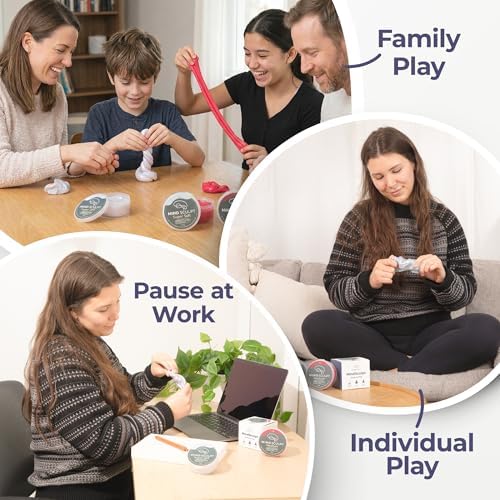
Stretching, squeezing, rolling, and shaping the putty gives your hands a simple outlet for movement. These small repetitive hand motions can help redirect nervous energy and support calmer attention.
Mind Sculpt can work well during:
- Work sessions
- Meetings
- Study blocks
- Stressful moments
- Mental fatigue
- Creative thinking
Because it is screen-free and sensory-focused, it can support regulation without adding more digital stimulation to your day.
Mind Sculpt
A soft, tactile tool for restless hands that supports focus, calm, and everyday nervous system regulation.
Explore Mind SculptFinal Thoughts
Restless hands are not necessarily something to eliminate. Often, they are information. Your nervous system may be looking for support through movement, touch, grounding, or sensory input.
Tactile tools can help create healthier ways to meet that need. Instead of forcing stillness or turning to digital distractions, you can give your body a simple outlet that supports calm and focus.
Mind Sculpt provides a quiet, sensory-focused tool that can help restless hands feel more regulated throughout the day.
Sometimes small physical tools create meaningful mental shifts. Start with one simple tool, keep it nearby, and let your hands find a calmer rhythm.