How to Stop Using Your Phone So Much
Most people do not plan to spend hours on their phone. It usually starts with something small. You check a message, open an app, scroll for a minute, or pick up your phone during a quiet moment.
Then that minute turns into ten. Ten becomes twenty. Before you realize it, your attention has been pulled into a loop you never really chose.
If you have tried to reduce screen time but keep falling back into the same pattern, you are not alone. Phone overuse is not usually a simple discipline problem. It is a habit shaped by design, accessibility, and repeated rewards.
The good news is that you can change the habit by creating better boundaries around how, when, and where you use your phone.
Table of Contents
- The Habit You Didn’t Plan
- Why It’s So Easy to Overuse Your Phone
- The Habit Loop Behind Constant Checking
- Why Willpower Alone Doesn’t Work
- The Power of Creating Physical Boundaries
- Using a Phone Lock Box to Reduce Screen Time
- Simple Daily Habits to Use Your Phone Less
- Conclusion: Take Back Control of Your Attention
The Habit You Didn’t Plan
Phone overuse often happens quietly. It sneaks into the small gaps of the day: while waiting, eating, sitting in bed, taking a break, watching TV, or trying to avoid a difficult task.
Because each check feels small, it may not seem like a big deal in the moment. But repeated throughout the day, those tiny checks can take up a surprising amount of time and attention.
Over time, your phone can become the default response to boredom, stress, silence, discomfort, or transition. You may reach for it before you even realize you made the decision.
That automatic quality is what makes the habit feel so difficult to change. You are not just choosing to use your phone. You are often responding to a loop that has been trained through repetition.
Why It’s So Easy to Overuse Your Phone
Smartphones are designed to capture attention. Apps use notifications, infinite scrolling, personalized content, short videos, and constant updates to keep you engaged.
Every time you open your phone, there is the possibility of something new. A message. A post. A video. A sale. A notification. A piece of information you did not know you wanted until it appeared.
This creates a cycle of curiosity and reward. Even when you do not have a specific reason to check your phone, your brain may expect that something interesting could be waiting.
Accessibility makes the habit even stronger. Your phone is usually within reach, which means the impulse can become an action almost instantly. The easier a habit is to perform, the more often it tends to happen.
Reducing phone use becomes easier when you stop treating it like a character flaw and start treating it like a habit that needs better boundaries.
The Habit Loop Behind Constant Checking
Phone use often follows a simple habit loop: cue, routine, and reward.
- Cue: You feel bored, stressed, curious, tired, interrupted, or notice a notification.
- Routine: You unlock your phone, open an app, check messages, or start scrolling.
- Reward: You receive novelty, entertainment, connection, relief, or distraction.
At first, this loop may feel intentional. You check your phone because you need something. But over time, the loop becomes automatic. Your brain learns to expect the reward, even when there is no real reason to check.
Breaking this loop requires more than telling yourself to stop. It requires interrupting the routine so your brain has a chance to choose a different response.
Why Willpower Alone Doesn’t Work
Many people try to use their phones less by relying on self-control. They set limits, promise themselves they will scroll less, or decide they will stop checking so often.
Those intentions are useful, but they can be hard to maintain when your phone is always nearby. Every moment of boredom becomes a decision point. Every pause in your work becomes an opportunity to check. Every quiet moment asks you to resist again.
Willpower becomes tired when it has to fight the same temptation all day.
A better approach is to create a system that makes the habit harder to perform. Instead of relying only on discipline, you design your environment to support the behavior you actually want.
The Power of Creating Physical Boundaries
One of the most effective ways to reduce phone use is to create distance between you and your device. When your phone is physically out of reach, the habit loop is interrupted.
That distance creates a pause. Instead of reacting automatically, your brain has a moment to notice the impulse. That moment is where change becomes possible.
Physical boundaries can include keeping your phone in another room, placing it in a drawer, leaving it outside the bedroom, or using a tool that creates a clear screen-free window.
These boundaries are not about punishment. They are about making intentional phone use easier by removing the constant temptation to check.
Using a Phone Lock Box to Reduce Screen Time
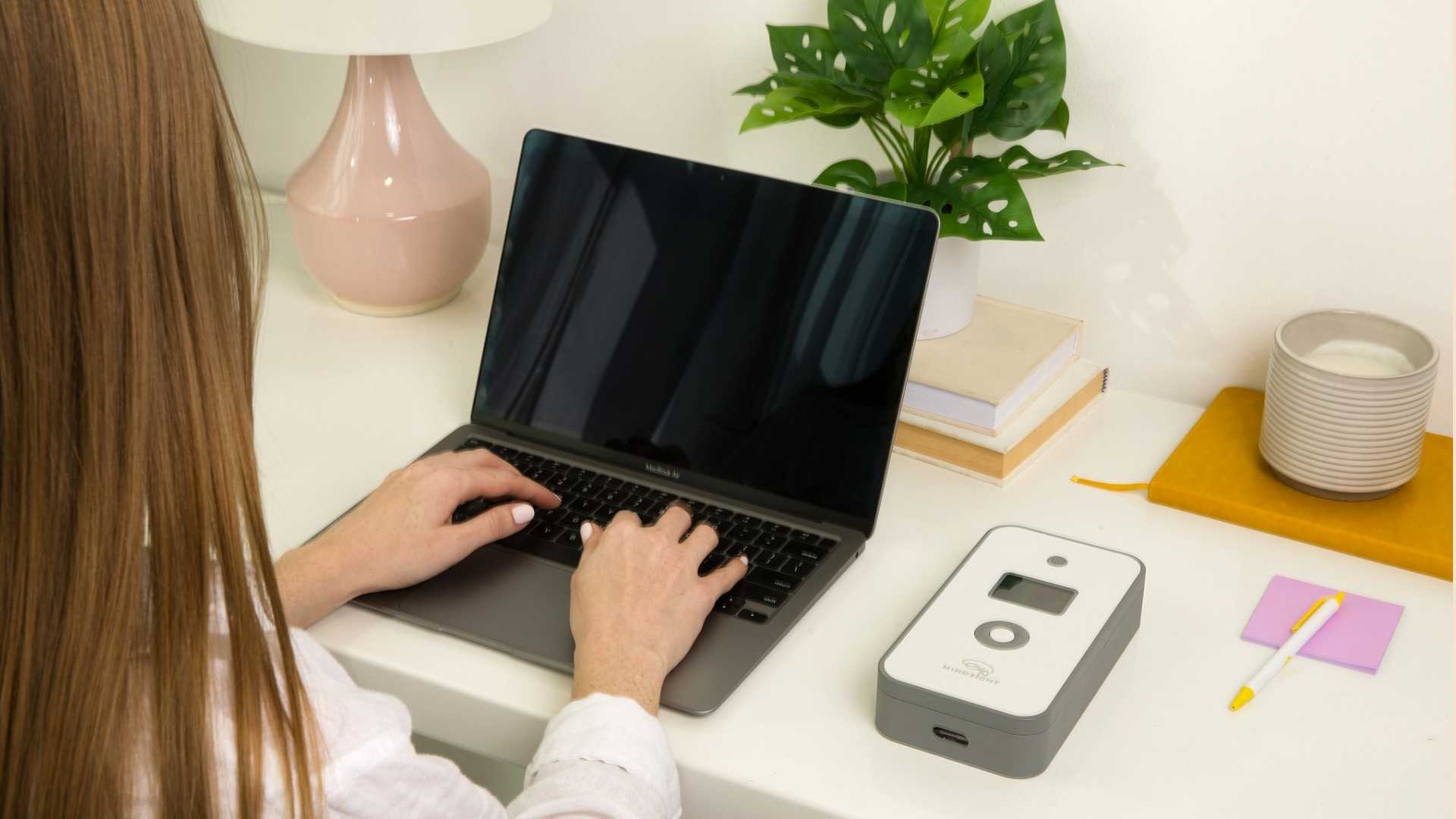
The Phone Lock Box by Mindsight is designed to create a physical boundary between you and your phone. You place your phone inside, set a timer, and create a period where checking it is no longer an option.
This can be helpful because it simplifies the decision. Instead of repeatedly deciding not to check your phone, you make the decision once when you lock it away.
A phone lock box can support:
- Focused work or study sessions
- Reducing unnecessary screen time
- Phone-free meals and conversations
- More intentional social time
- Evening wind-down routines
- Better boundaries before bed
- Healthier daily phone habits
The goal is not to remove your phone from your life. The goal is to stop it from quietly taking over moments you wanted to use differently.
Phone Lock Box
Create a physical boundary for your phone so you can reduce screen time, protect focus, and use your attention more intentionally.
Explore the Phone Lock BoxSimple Daily Habits to Use Your Phone Less
Reducing phone use becomes easier when small habits support the boundary. You do not need to change your whole life overnight. Start with one or two phone habits that feel realistic.
Create Phone-Free Time Blocks
Choose specific periods during the day when your phone is not accessible. This could be during focused work, meals, family time, or the first thirty minutes after waking up.
Keep Your Phone Out of Reach
Distance helps. Place your phone in another room, inside a drawer, or in a lock box during the moments you want to protect.
Replace the Habit
When you feel the urge to check your phone, give your body and brain another action. Stretch, breathe, walk, drink water, write down a thought, or return to your task for one more minute.
Limit Nighttime Use
Avoid using your phone right before bed when possible. Keeping your phone away from your bed can help your evening feel calmer and make it easier for your mind to wind down.
These habits work best when they reduce accessibility. The less available your phone is during key moments, the easier it becomes to use it with intention.
Conclusion: Take Back Control of Your Attention
Using your phone is not the problem. Losing control over how often you use it is what can affect your focus, time, sleep, and presence.
When phone use becomes automatic, it can take attention away from the moments you actually care about. But once you understand the habit loop, you can begin to change it with better boundaries instead of constant self-control.
Tools like the Phone Lock Box can make this process easier by creating physical separation from your phone during the times you want to be more focused, present, or offline.
Start small. Choose one screen-free window. Put your phone away. Let your attention return to the parts of your day that deserve more of you.