How to Create a Calm Environment at Home
Your home is more than a place where you sleep, eat, and move through your day. It is the environment your brain experiences over and over again. The lighting, clutter, sounds, colors, and objects around you all send small signals to your nervous system.
When your space feels chaotic or overstimulating, it can be harder to relax, focus, or feel grounded. When your environment feels calm and intentional, your body has an easier time softening into rest.
Creating a calm home does not require a full redesign or a perfectly styled space. It begins with small changes that reduce visual noise, soften sensory input, and make your home feel more supportive to your mind and body.
Table of Contents
- Why Your Environment Matters More Than You Think
- How Your Space Affects Your Mental State
- The Problem With Overstimulating Environments
- Key Elements of a Calm Home
- The Role of Sound and Visual Flow
- How Water Features Support Relaxation
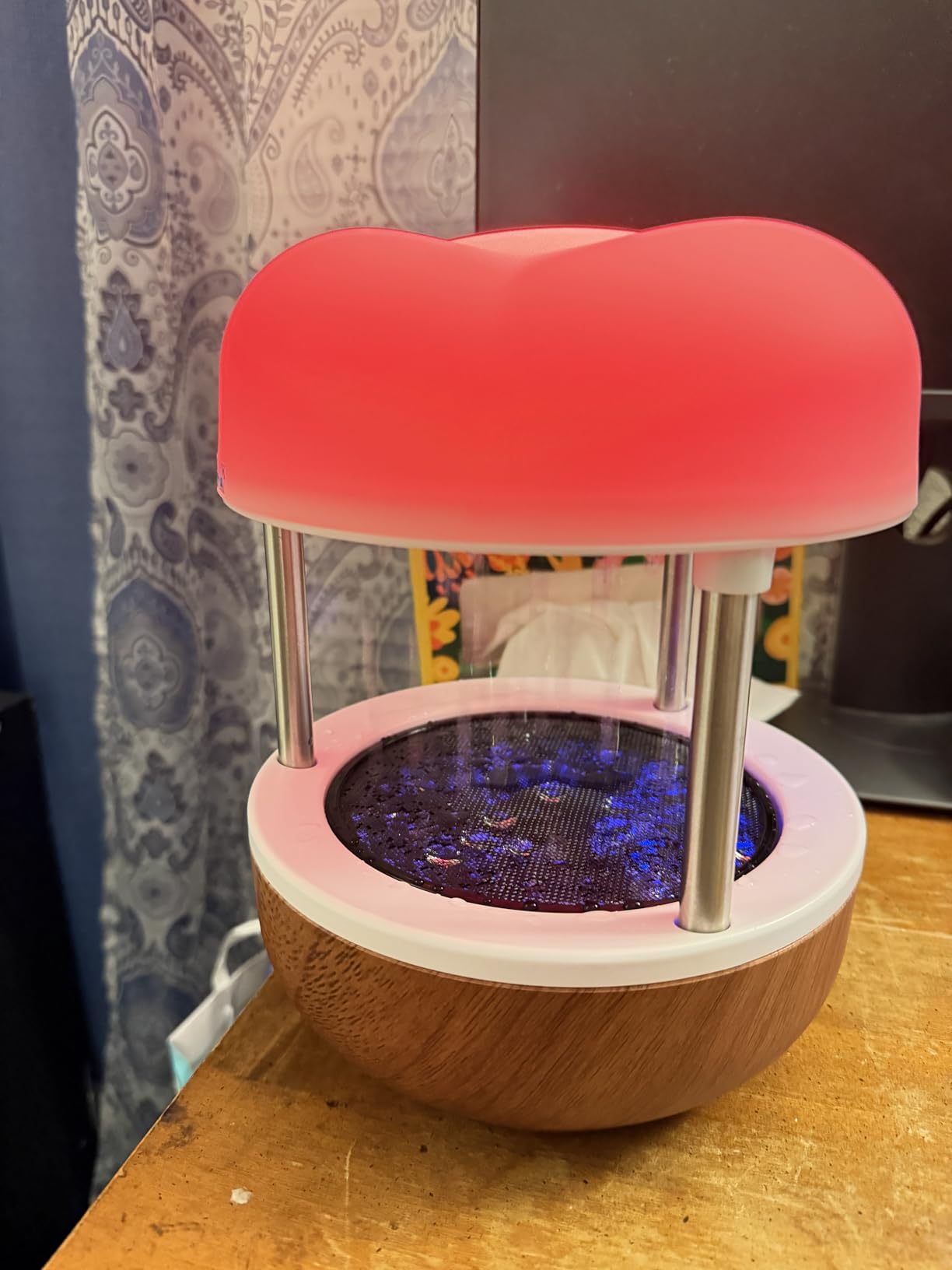
- The Calming Cloud Tabletop Fountain
- Simple Ways to Make Your Space More Peaceful
- Conclusion: Build a Space That Supports You
Why Your Environment Matters More Than You Think
Many people think of stress as something that only comes from work, relationships, schedules, or responsibilities. Those things matter, but your surroundings play a role too.
Your brain is constantly taking in information from your environment. Even when you are not consciously paying attention, your mind is processing what you see, hear, and feel around you.
A messy counter, bright overhead light, buzzing television, crowded desk, or constant phone notification may seem small on its own. But together, these signals can keep your brain in a state of low-level alertness.
A calm environment does the opposite. It reduces unnecessary input and gives your nervous system fewer things to filter. That can make it easier to feel clear, settled, and present in your own space.
How Your Space Affects Your Mental State
Your space can influence how you think, focus, and feel. When your environment is filled with clutter, noise, and distractions, your brain has to work harder to sort through everything.
This extra processing can contribute to mental fatigue. You may feel scattered, irritated, restless, or unable to focus, even if nothing dramatic is happening.
Over time, an overstimulating environment can affect:
- Your ability to focus
- Your stress levels
- Your mood
- Your sense of calm
- Your ability to rest deeply
- Your motivation to start tasks
A calmer space gives your attention fewer directions to run. It creates more room for your mind to settle.
A peaceful home is not about perfection. It is about creating a space that asks less from your nervous system.
The Problem With Overstimulating Environments
Modern homes can easily become overstimulating. Screens are on in multiple rooms. Notifications keep appearing. Surfaces collect items. Background noise fills quiet moments. Even rest spaces can begin to feel mentally busy.
The challenge is that these inputs often become normal. You may not notice how much your environment is asking of you until you step into a calmer space and feel the difference.
Overstimulation can make it harder to unwind because your brain continues scanning and processing. You may have time to rest, but your body still feels alert.
Reducing stimulation is one of the simplest ways to create a calmer home. Instead of adding more, the first step is often removing what makes the space feel noisy, crowded, or demanding.
Key Elements of a Calm Home
A calm home is not defined by a specific design style. It does not need to look minimal, expensive, or magazine-ready. What matters most is how the space feels when you are inside it.
Simplicity
Fewer visible objects can reduce visual distraction. Clearing surfaces, organizing everyday items, and keeping only what feels useful or meaningful can make a room feel lighter.
Soft Lighting
Harsh overhead lighting can make a space feel active and alert. Softer lamps, warm bulbs, and diffused lighting create a more restful atmosphere, especially in the evening.
Neutral and Natural Tones
Soft, natural colors can help a room feel more stable and grounded. You do not need to repaint everything. Even small touches like blankets, pillows, baskets, or natural textures can shift the feeling of a space.
Natural Elements
Plants, wood textures, stone, water, and other natural elements can make a home feel more connected to the rhythms of the outside world. These details bring softness and balance into everyday spaces.
The Role of Sound and Visual Flow
Sound and movement play a major role in how a space feels. Harsh, sudden, or unpredictable sounds can increase tension, while soft and steady sounds can help the brain relax.
Visual flow matters too. Busy visuals demand attention. Slow, predictable movement gives the brain something gentle to rest on without creating overwhelm.
This is one reason many people find natural movement calming. Watching rain, waves, leaves, or flowing water gives the mind a soft point of focus. It creates interest without overstimulation.
A calm home often includes sensory cues that feel steady, simple, and grounding.
How Water Features Support Relaxation
Water has a unique way of changing the atmosphere of a room. The sound of flowing water is steady and predictable, which can help create a sense of calm in the background.
Gentle water movement also adds visual softness. It gives your attention somewhere peaceful to land without requiring effort or focus.
This combination of sound and motion can support both relaxation and concentration. It can make a bedroom feel more restful, a workspace feel less tense, or a living area feel more inviting.
Small indoor fountains make this kind of sensory calm easy to bring into everyday spaces.
The Calming Cloud Tabletop Fountain
The Calming Cloud Tabletop Fountain by Mindsight is designed to introduce gentle sound and visual flow into your environment in a simple, screen-free way.
It works quietly in the background, adding the sound of flowing water and a soft visual anchor to the room. Unlike digital tools, it does not require an app, a screen, or constant interaction.
It can fit naturally into:
- Workspaces
- Bedrooms
- Living areas
- Meditation corners
- Reading nooks
- Nighttime wind-down spaces
The purpose is simple: to make the room feel calmer without demanding more attention from you.
Calming Cloud Tabletop Fountain
A gentle tabletop water feature that brings soft sound, visual flow, and a calmer atmosphere into your home.
Explore the Calming CloudSimple Ways to Make Your Space More Peaceful
You do not need to redesign your entire home to make it feel calmer. Start with the areas you use most often and make a few changes you can maintain.
Clear Your Surfaces
Choose one surface, such as a nightstand, desk, coffee table, or kitchen counter, and remove anything that does not need to be there. A clear surface can instantly make a room feel more spacious.
Adjust Your Lighting
Use softer, warmer lighting in the areas where you want to relax. This can be especially helpful in the evening when your body needs cues that the day is slowing down.
Introduce Natural Elements
Add simple natural details such as plants, wood textures, woven baskets, soft fabrics, or a small water feature. These elements help the space feel more grounded and less sterile.
Create a Dedicated Calm Space
Choose one small area for rest, reading, breathing, journaling, or quiet time. It does not need to be a full room. Even a corner can become a calming reset space when it is used consistently.
Small changes become powerful when they are repeated. Over time, your home can begin to feel like a place that supports you instead of one more thing asking for your attention.
Conclusion: Build a Space That Supports You
Your environment has a powerful influence on how you feel. When your surroundings are overstimulating, your brain may stay alert even when you are trying to rest. When your space feels calm and intentional, your body has an easier time settling.
Creating a peaceful home does not require perfection. It starts with awareness and a few thoughtful changes. Reduce clutter. Soften lighting. Add natural elements. Create simple sensory cues that help your nervous system slow down.
The Calming Cloud Tabletop Fountain offers one way to bring gentle sound and movement into your home, helping your space feel calmer throughout the day.
Start small. Choose one room, one surface, or one corner. Let your home become a place that gives energy back instead of quietly taking it away.