How to Improve Your Attention Span Naturally
Finding it harder to focus for long periods? Modern life gives your attention a lot to manage, from notifications and open tabs to phones, messages, and constant opportunities to switch tasks.
Improving your attention span does not require forcing yourself to concentrate for hours. You can gradually rebuild sustained attention by reducing distractions, practicing single-tasking, protecting focus time, and becoming more comfortable staying with one activity.
Table of Contents
- Why Does It Feel Harder to Focus?
- What Is an Attention Span?
- Signs Your Attention Is Becoming Fragmented
- How to Improve Your Attention Span Naturally
- Practice Doing One Thing at a Time
- Reduce Unnecessary Interruptions
- Increase Your Focus Time Gradually
- Get Comfortable With Boredom Again
- Protect Your Best Focus Hours
- Use Movement and Breaks Strategically
- Read Longer Content More Often
- Create Physical Distance From Your Phone
- A Simple Daily Focus-Building Routine
- Spotlight: Phone Lock Box
- Frequently Asked Questions
- Final Thoughts
Why Does It Feel Harder to Focus?
You sit down to complete one task.
A few minutes later, you check your phone.
Then your email.
Then another browser tab.
Then you remember something unrelated and search for it.
Eventually, you return to the original task and wonder:
Why is it so hard to focus?
Modern life gives our attention a lot to manage.
- Messages arrive instantly.
- Notifications appear throughout the day.
- Entertainment is always available.
- Multiple tabs remain open.
- Phones stay within reach.
Even when nothing interrupts us, we may interrupt ourselves.
Over time, constantly switching between activities can make uninterrupted concentration feel unfamiliar.
The good news is that focus is something you can practice.
Instead of expecting yourself to suddenly concentrate for hours, you can gradually create conditions that make sustained attention easier.
What Is an Attention Span?
Your attention span is essentially your ability to keep your attention directed toward something for a period of time.
But attention is not one fixed number.
How long you can concentrate depends on many factors.
- The task itself
- Your interest
- Your energy
- Sleep
- Stress
- Your environment
A person may struggle to focus on paperwork for fifteen minutes but easily spend an hour working on a hobby they love.
That is why improving attention is not simply about forcing yourself to concentrate longer.
It is also about understanding what repeatedly pulls your attention away.
Signs Your Attention Is Becoming Fragmented
Everyone gets distracted.
The issue is when distraction becomes your default way of working or relaxing.
You may notice:
- Checking your phone during simple tasks
- Opening apps without consciously deciding to
- Switching browser tabs constantly
- Struggling to finish longer articles or books
- Feeling uncomfortable when nothing is happening
- Reaching for stimulation during every quiet moment
- Frequently abandoning tasks before completion
- Checking messages while watching something
- Multitasking during conversations
- Feeling mentally busy without accomplishing much
These behaviors do not automatically mean something is seriously wrong with your attention.
They may simply indicate that your daily environment encourages frequent switching.
Changing that environment can make concentration easier.
How to Improve Your Attention Span Naturally
Improving focus does not require eliminating every distraction from your life.
That would be unrealistic.
Instead, create periods when distractions become less available.
Think of attention like a skill. You practice it by returning to one activity repeatedly.
- Read without checking your phone.
- Work without switching tabs.
- Eat without scrolling.
- Walk without consuming content.
- Listen without multitasking.
At first, these periods may feel surprisingly difficult.
Start small.
Then gradually increase the amount of uninterrupted time.
Practice Doing One Thing at a Time
Multitasking often feels productive because you are doing several things at once.
But many forms of multitasking are actually rapid task switching.
You write. Check a message. Return to writing. Open email. Return to writing. Check a notification.
Every switch requires you to redirect attention.
Instead, practice single-tasking.
- Choose one activity.
- Define what “finished” means.
- Work on it before moving to something else.
For example:
- Instead of checking email continuously while writing a report, give yourself twenty minutes for the report alone.
- Instead of scrolling while eating, simply eat.
- Instead of watching television while answering messages, choose one.
Single-tasking may initially feel slower.
But it creates more opportunities to practice sustained attention.
Reduce Unnecessary Interruptions
Some distractions are unavoidable.
Many are optional.
Look at your environment.
What regularly interrupts you?
- Phone notifications?
- Email alerts?
- Group chats?
- Open browser tabs?
- Television?
- Background conversations?
Start with the easiest interruptions to control.
- Turn off notifications you do not need.
- Close unrelated browser tabs.
- Silence group chats during focus periods.
- Keep your phone out of immediate reach.
- Let people around you know when you need uninterrupted time when appropriate.
The goal is not perfect silence.
It is reducing interruptions that do not deserve immediate access to your attention.
Increase Your Focus Time Gradually
If you currently struggle to concentrate for ten minutes, expecting two hours of uninterrupted deep work tomorrow may create frustration.
Start where you are.
Try:
- 10 minutes of uninterrupted focus
- Then take a short break
- Once that feels manageable, try 15 minutes
- Then 20
- Then 25
You are gradually becoming more comfortable staying with one task.
You can use a simple timer if helpful.
During your focus period, define one rule:
I will stay with this task until the timer ends.
If an unrelated thought appears, write it down instead of acting on it immediately.
Then return to your task.
Get Comfortable With Boredom Again
Boredom used to happen naturally.
You waited. You stood in line. You sat in a waiting room. You rode somewhere. Nothing happened for a moment.
Today, many of those gaps are immediately filled by phones.
That makes it easy to become accustomed to constant stimulation.
Try leaving some small moments unfilled.
- Wait for your coffee without opening an app.
- Stand in line without scrolling.
- Take a short walk without entertainment.
- Sit outside for several minutes.
You do not need to enjoy boredom.
The goal is simply to become more comfortable when your brain is not receiving new information every few seconds.
That ability can support longer periods of focused attention elsewhere.
Protect Your Best Focus Hours
Not every hour of your day feels the same.
You may concentrate better early in the morning.
Or late in the afternoon.
Pay attention to when focused work feels easiest.
Then protect that time when possible.
Avoid using your best concentration window for low-value activities such as:
- Checking unnecessary notifications
- Scrolling
- Organizing files
- Repeatedly refreshing email
- Doing tasks that could easily happen later
Instead, use that window for work requiring real concentration.
- Writing
- Studying
- Planning
- Reading
- Creative projects
- Complex problem-solving
Your environment should support the type of attention the task requires.
Use Movement and Breaks Strategically
Improving your attention span does not mean sitting completely still for hours.
Breaks can support sustained work when they are intentional.
Between focus sessions:
- Stand up.
- Stretch.
- Walk.
- Drink water.
- Look outside.
- Rest your eyes.
The important part is what happens during the break.
If every break turns into fifteen minutes of scrolling, returning to your original task may become harder.
Try making at least some breaks screen-free.
A break should give your attention a chance to recover rather than introducing another stream of information.
Read Longer Content More Often
Reading can be a useful way to practice sustained attention.
Choose something longer than a social post.
- A book
- An essay
- A magazine article
- A long-form story
Then create a small reading target.
- Five pages
- Ten pages
- Fifteen minutes
Keep your phone somewhere else while you read.
When you feel the impulse to check something, notice it.
Then continue reading.
The purpose is not racing through books.
You are practicing staying with one stream of information instead of constantly switching.
Create Physical Distance From Your Phone
Your phone can distract you even when you have turned notifications off.
Sometimes simply knowing it is within reach is enough to create the urge to check.
Try increasing physical distance.
Instead of keeping your phone:
- On your desk
- In your hand
- Beside your laptop
Keep it:
- Across the room
- Inside a drawer
- In another room
- In a designated phone storage area
Physical distance creates friction.
That small inconvenience gives you a moment to notice the impulse before acting on it.
Sometimes that pause is all you need to return to what you were doing.
A Simple Daily Focus-Building Routine
You do not need to overhaul your schedule.
Try one intentional focus session per day.
Step 1: Choose One Task
Decide exactly what you will work on.
Avoid vague goals like “be productive.”
Choose something specific.
Step 2: Remove Distractions
- Close unrelated tabs.
- Silence unnecessary alerts.
- Move your phone away.
Step 3: Set a Realistic Focus Period
Start with 15 to 25 minutes.
If your attention is already strong, choose a longer block.
Step 4: Single-Task
Stay with the chosen activity.
If another thought appears, write it down instead of immediately switching tasks.
Step 5: Take a Short Break
Stand. Move. Stretch. Get water.
Then decide whether you want another focus block.
Repeat this routine regularly.
The objective is not seeing how long you can force yourself to work. It is creating repeated opportunities to practice uninterrupted attention.
Spotlight: Phone Lock Box
If your phone is the distraction you find hardest to ignore, changing its physical accessibility can help.
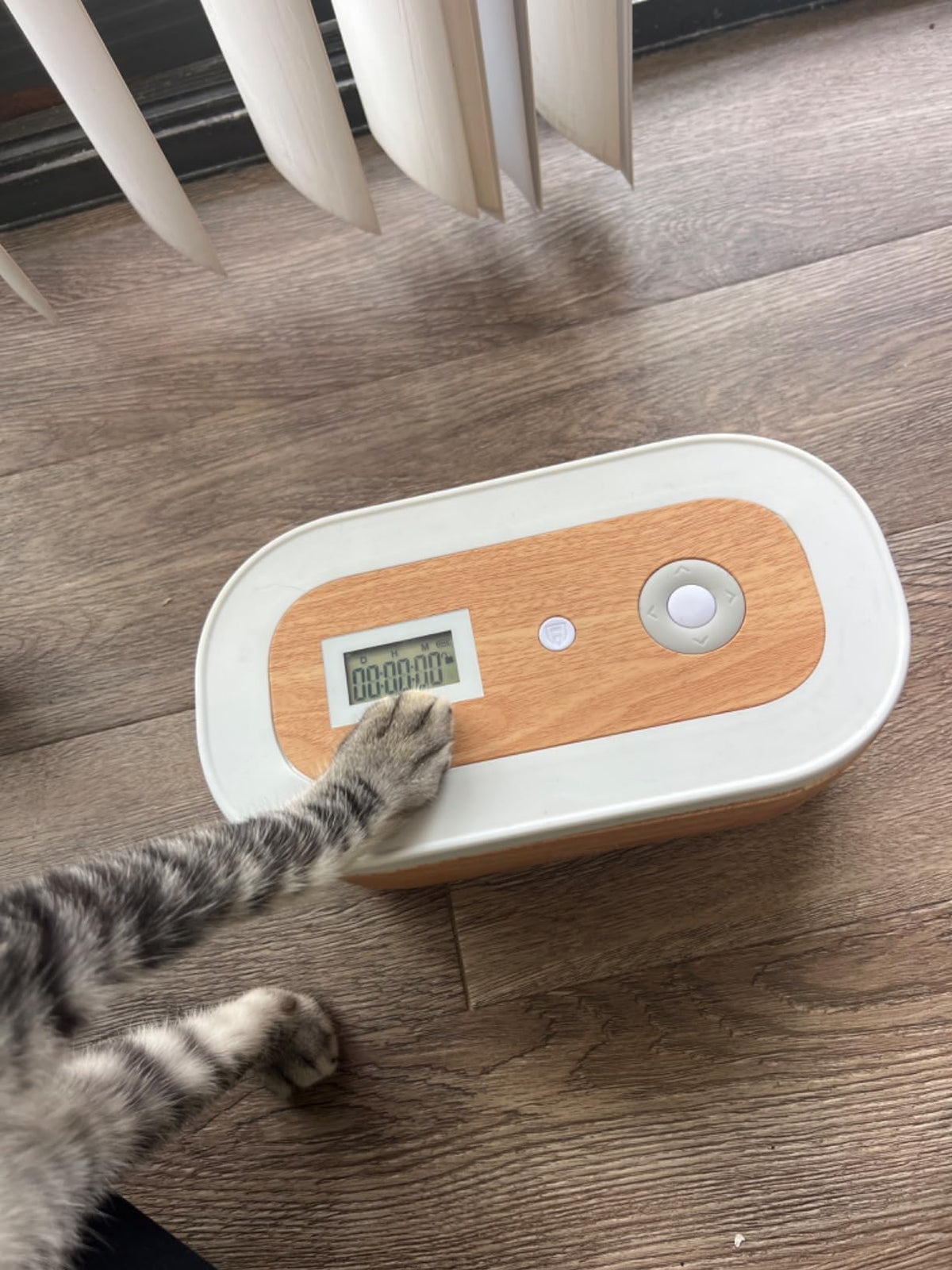
The Phone Lock Box by Mindsight creates a physical boundary around your device during periods when you want fewer interruptions.
Instead of placing your phone face down beside you and repeatedly deciding whether to check it, you create the boundary before the focus session begins.
That can make it useful during:
- Focused work
- Studying
- Reading
- Creative projects
- Meetings
- Writing
- Screen-free meals
- Personal projects
You could create a simple routine:
- Choose your task.
- Prepare what you need.
- Place your phone in the Phone Lock Box.
- Complete your focus block.
- Then intentionally check your device afterward.
The purpose is not to make your phone inaccessible forever.
It is to create periods when your attention does not have to compete with something designed to be checked frequently.
Over time, those periods can help you practice staying with one task for longer.
Phone Lock Box
A simple physical boundary that helps reduce phone interruptions during focused work, studying, reading, writing, creative projects, and screen-free time.
Explore the Phone Lock BoxFrequently Asked Questions
How can I improve my attention span naturally?
Start by reducing unnecessary distractions and practicing focused attention for short periods. Single-tasking, reading longer content, taking screen-free breaks, reducing notifications, and keeping your phone away during important tasks can all help create better conditions for concentration.
Can you train yourself to focus longer?
You can practice sustained attention by gradually increasing the amount of time you spend on one task without switching. Start with a realistic period and increase it as uninterrupted focus becomes easier.
Why is my attention span so short?
Attention can be affected by many factors, including sleep, stress, interest, environment, interruptions, and digital habits. If concentration problems are persistent or significantly affect daily life, consider discussing them with a qualified healthcare professional rather than assuming phone use is the only cause.
Does multitasking make it harder to focus?
Many activities described as multitasking involve repeatedly switching attention between tasks. Reducing unnecessary switching can make it easier to stay engaged with one activity.
How do I stop checking my phone while working?
Turn off unnecessary notifications and move your phone out of immediate reach. If that is not enough, create a physical boundary by storing the phone somewhere less accessible during defined focus periods.
How long should I focus before taking a break?
There is no perfect interval for everyone. Begin with a period you can realistically maintain, such as 15 to 25 minutes, then take a short break. Adjust the length based on the task and your ability to stay engaged.
What activities can help me practice sustained attention?
Reading, writing, drawing, puzzles, crafts, studying, playing an instrument, and other single-task activities can give you opportunities to practice remaining focused without constantly switching between inputs.
Final Thoughts
Improving your attention span is not about forcing yourself to concentrate every minute of the day.
It is about creating more opportunities for your attention to stay in one place.
Start small.
- Choose one task.
- Remove unnecessary interruptions.
- Put your phone somewhere else.
- Work for a realistic amount of time.
- Take a genuine break.
- Then repeat.
You may still get distracted.
That is normal.
The practice is noticing that your attention moved and bringing it back.
If your phone is the interruption you struggle with most, the Phone Lock Box by Mindsight can create a physical boundary during work, study, reading, or other activities that deserve your full attention.
Better focus does not have to begin with more productivity hacks.
Sometimes it begins with giving fewer things permission to interrupt you.
Explore the Phone Lock Box
Create a defined phone-free focus window for work, studying, reading, writing, and other tasks that need your attention.
Shop Phone Lock Box