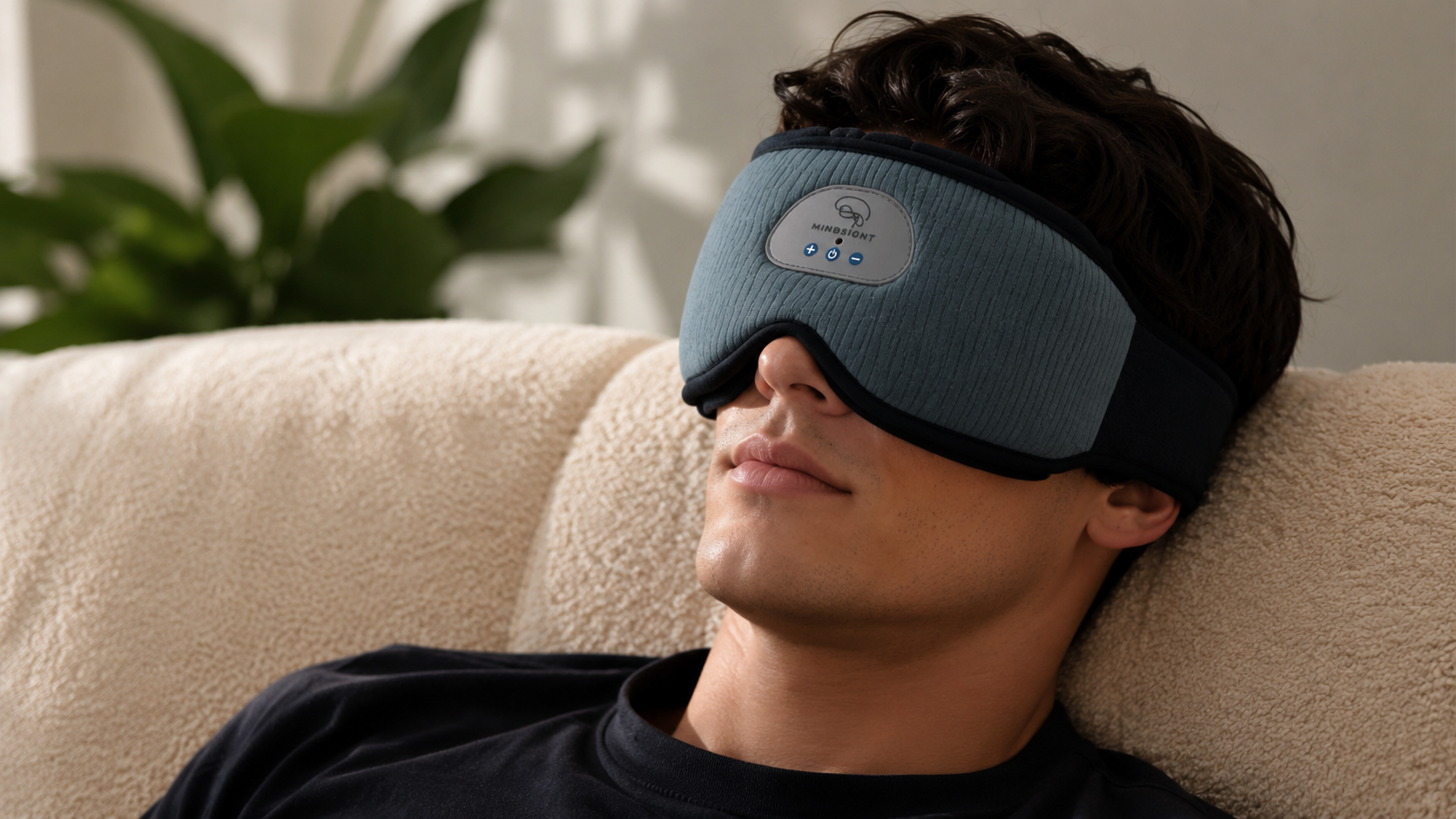
How to Make Your Bedroom Feel Like a Place Your Body Can Finally Rest
Your bedroom should help your body feel safe enough to rest. It should feel like a space where your mind can soften, your body can settle, and the day can finally loosen its grip.
But when your bedroom is full of screens, clutter, harsh lighting, unfinished tasks, or too much visual noise, rest can feel harder to reach.
The good news is that you do not need a full bedroom makeover. Small changes can help create a calmer sleep space with less stimulation and more soothing cues.
Table of Contents
- Why Your Bedroom Environment Matters
- Why Your Body May Not Feel Ready for Sleep
- The Hidden Stress of a Busy Bedroom
- How Light, Sound, and Screens Affect Rest
- Simple Ways to Make Your Bedroom Feel Calmer
- Why Sensory Cues Help the Body Relax
- Creating a Nighttime Space That Supports Sleep
- Using Driftband and Calming Cloud for Bedroom Calm
- Final Thoughts
Why Your Bedroom Environment Matters
Your bedroom should feel like a place where your body can finally exhale.
But for many people, the bedroom becomes a mix of everything: sleep, scrolling, work, laundry, stress, entertainment, and unfinished tasks. Instead of signaling rest, the room starts sending too many messages at once.
Your body pays attention to those signals.
The lighting, clutter, temperature, sound, screens, and objects around you all influence how easy it feels to settle down at night. Even if you are tired, your environment can keep your nervous system slightly alert.
A relaxing bedroom does not need to be perfect. It does not need expensive furniture, a full redesign, or a magazine-worthy setup.
It needs to feel safe, simple, and calming enough for your body to understand: this is where rest begins.
Why Your Body May Not Feel Ready for Sleep
Feeling tired and feeling ready for sleep are not always the same thing.
You can be exhausted and still feel mentally wired. Your body may want rest, but your brain may still be busy processing the day.
This can happen when you move straight from stimulation into bed.
Maybe you were working late. Maybe you were scrolling. Maybe the TV was on. Maybe your mind was jumping through tomorrow’s tasks. Maybe your bedroom still looked like a pile of unfinished responsibilities.
When the nervous system stays activated, sleep can feel harder to reach.
You may notice:
- Racing thoughts
- Restlessness
- Tension in the body
- A need to keep checking your phone
- Difficulty getting comfortable
- Trouble falling asleep
- Waking up during the night
- Feeling tired the next morning
Your body may not need more pressure to sleep. It may need better cues that it is safe to slow down.
The Hidden Stress of a Busy Bedroom
A busy bedroom can quietly add stress at the exact time your body needs less of it.
Clutter on the floor, clothes on a chair, bright lights, visible work items, charging devices, or a phone beside the bed can all make the room feel more mentally active.
Even small visual reminders can keep the brain engaged.
A laptop might remind you of work. Laundry might remind you of chores. A phone might invite one more scroll. A messy nightstand might make the room feel less peaceful.
These details may seem small, but your brain still processes them.
A bedroom that feels visually busy can make it harder to shift into rest because the environment keeps whispering: there is more to do.
A calmer bedroom sends a different message. It says: not now. Rest first.
How Light, Sound, and Screens Affect Rest
Light, sound, and screens play a major role in how your bedroom feels.
Bright lighting can keep the room feeling active. Harsh overhead lights may be useful during the day, but they are not always helpful when your body is trying to wind down.
Sound matters too. Sudden, sharp, or unpredictable noise can keep the nervous system alert. On the other hand, soft and steady sounds can help create a more relaxing atmosphere.
Screens can be one of the biggest bedtime disruptors. Phones, tablets, laptops, and TVs all keep the brain engaged with information, motion, and stimulation.
Even when the content feels relaxing, your mind is still taking in input.
A calmer bedroom often starts by reducing these signals.
Try asking:
- Is the lighting too bright at night?
- Is my phone too close to my bed?
- Is the room visually cluttered?
- Are there work items in my sleep space?
- Does the room feel quiet enough to relax?
- Are there calming sounds or textures that help me unwind?
Small answers can lead to small changes. And small changes can make the room feel completely different.
Simple Ways to Make Your Bedroom Feel Calmer
You do not need to overhaul your bedroom to make it feel more restful. Start with the areas that create the most stimulation.
Clear your nightstand.
Keep only what supports rest: a lamp, book, water, journal, or calming object.
Move work items out of view.
If your laptop, papers, or planner remind you of tasks, place them somewhere outside the bedroom or hidden from sight.
Soften the lighting.
Use warm lamps or dimmer lighting in the evening instead of bright overhead lights.
Create a phone boundary.
Charge your phone away from your bed or place it outside the room during your wind-down routine.
Add calming sound.
Soft, steady sound can help the room feel more peaceful and less sharp.
Use gentle textures.
Soft blankets, pillows, and comfortable fabrics can help the body feel more settled.
Create a repeatable bedtime cue.
Use the same calming item, sound, or routine each night so your body begins to recognize the transition.
The goal is not perfection. The goal is to make your bedroom feel less stimulating and more supportive.
Why Sensory Cues Help the Body Relax
Your body responds to sensory cues all the time.
Bright light can signal alertness. Soft lighting can signal evening. A phone notification can signal urgency. A steady sound can signal calm.
This is why sensory design matters in the bedroom.
When your senses receive calming cues, your nervous system has an easier time shifting toward rest. Those cues do not need to be complicated.
Helpful sensory cues may include:
- Soft lighting
- Gentle sound
- A comfortable sleep mask or wearable
- Calming textures
- Flowing water
- A cooler room temperature
- A screen-free wind-down routine
- A familiar bedtime ritual
When repeated consistently, these cues can become part of your body’s sleep rhythm.
Your bedroom begins to teach your nervous system what happens next.
Creating a Nighttime Space That Supports Sleep
A restful bedroom is not just about what you add. It is also about what you remove.
Remove the things that pull your mind into work, stress, comparison, or stimulation. Then add simple cues that support calm.
A helpful nighttime space might include:
- A clear nightstand
- Warm lighting
- A phone-free sleep zone
- A calming sound source
- A consistent bedtime routine
- Comfortable bedding
- A small sensory object that signals rest
- Less visible clutter
- Fewer screens
Think of your bedroom as a landing place. Your body has been carrying the whole day. The room should help it put things down.
This does not mean your bedroom has to look empty.
It should simply feel intentional.
Using Driftband and Calming Cloud for Bedroom Calm
The Driftband and Calming Cloud Tabletop Fountain by Mindsight can help create a more calming bedroom environment in different ways.
Driftband supports a body-centered wind-down routine. It can become part of your evening rhythm, helping signal that the day is ending and rest is beginning.
You can use Driftband during:
- Pre-sleep breathing
- Evening relaxation
- Screen-free wind-down time
- Rest after a stressful day
- Bedtime consistency building
- Quiet moments before sleep
The Calming Cloud Tabletop Fountain adds soft water movement and gentle ambient sound to your space. Flowing water can help make the bedroom feel more peaceful, especially when the room feels too quiet, tense, or mentally busy.
You can place the Calming Cloud in:
- Bedrooms
- Reading corners
- Meditation spaces
- Nighttime wind-down areas
- Calm home office corners
- Relaxation spaces
Together, these tools support the transition into rest. Driftband helps create a personal bedtime cue, while the Calming Cloud helps soften the surrounding environment.
Driftband
A calming wearable cue that can support evening relaxation, pre-sleep routines, and screen-free wind-down time.
Explore DriftbandCalming Cloud Tabletop Fountain
A tabletop fountain that adds soft water movement and gentle ambient sound to help create a more peaceful bedroom environment.
Explore the Calming CloudFinal Thoughts
Your bedroom should not feel like another place where your brain has to stay alert.
It should feel like a space that helps your body release the day.
A restful bedroom is built through small choices: softer lighting, fewer screens, less clutter, calming sound, gentle textures, and consistent bedtime cues.
You do not need to make the room perfect. You only need to make it easier for your nervous system to understand that it is safe to rest.
Start with one change tonight.
Clear your nightstand. Move your phone away. Lower the lights. Add one calming cue.
Let your bedroom become less of a storage space for the day and more of a soft place to land.